Learning SEO in Modern Era

If you look at the Google SERPS, you will notice that it has become completely different from what it was just a few years ago. It’s not just a surface change we are talking about. Google has become more of a portal than a search engine in the recent years.

This evolution has brought major change in the user behavior. Google has been able to enable the users to bypass clicking on the websites in order to get information or take necessary actions. In this scenario, it may seem like Google is trying to take the authority away from the websites but it is no true. Websites have even bigger role in this scenario.

Build and train your SEO agency

It would be worth mentioning that every activity being done in an organization has its impact on the SEO. Therefore, the SEO team has to be involved in keeping a track of those activities. If you are managing SEO of your organization, you will need to have information about every activity which can have an impact on the SEO. And then, you will need to teach your SEO team to tackle with the issue.

Expanding writing capability

Product information, how-to guides, and several other types of content have the capability to gain higher visibility in the search engine results. The reason is that they ideally qualify to be shown in the featured snippets. If you are managing a team of writers, you will have to make sure that they are capable of creating the content which can compete to acquire organic visibility.
In this scenario, the writers also need to have good knowledge about SEO-friendly JavaScript, schema, writing for the long tail, rich snippets, and the section called “People Also Ask”.

Take into consideration the mobile SERPs

One of the problems to talk about is that we work on the computers and so we check the results of that work on computer SERPs. However, things are going to change from July 1 because Google is going to use mobile-first indexing for the indexing of new websites. And older websites will be reevaluated for the mobile-first indexing readiness. Most of the internet users now search for anything using their mobile phones. This is the reason that brands now need to closely pay attention to the mobile SERPs.

Advantage of big data
According to Jessica Bowman who is the CEO of SEO In-house and Search Engine Land editor, it is going to be more beneficial to hire a data scientist rather than hiring an SEO for the job of studying data. Data scientists have better knowledge about the trends that you can use to improve your optimization efforts, inform your content team and improve the user experience.

Making the Video Ads More Effective

The popularity of videos ads is growing continuously. And if we look at the indicators, it would be pretty obvious that this popularity is far from reaching it saturation point. Research suggests that 87% of the businesses are using video as a marketing tool.

However, there are many advertisers who remain hesitant about using this opportunity for the marketing of their businesses. They mainly worry about getting nothing after investing a lot of money. And the matter of fact is that they are rightly worried so. If a video ad is not properly worked on, it is destined to fail.

Every business is different. And so, the marketing approach for each of the businesses needs to be a different one in order to appropriately meet the business marketing needs. But there are some basic things which you can keep in mind while creating the video ads.

Personalization

It is normal for the people to think about video ads working on the same pattern as that of TV ads. But the matter of fact is that both are quite different. TV ads are broadly targeted ads and they do not care much about the user demographics. As a matter of fact, TV ads need to be inclusive of many things so that a wide range of people with different interests are targeted in one ad.

On the other hand, a video ad can be more granular than you think. You can choose your audience based on location, age, gender and many other factors.It means that you can personalize video ads in the way you want. And you should do this personalization.

Make it relevant

Another major problem with the TV ad is that it interrupts the viewer. When you are watching your favorite show in the TV, you will not want a TV ad to interrupt you from watching that show. In case of video advertisement, you can make the ad relevant to the video content. This way, the ad will not be felt like an interruption. As a matter of fact, it may serve like a value-add.

Capture attention immediately

With the video ads, you will not have to stick with the practice of slowly building the climax. You can actually grab the attention quite immediately. One of its reasons is mentioned in the personalization part. Moreover, you can adopt a storytelling approach to make the video ad something your viewers would want to stick to.

Another reason you need to focus on capturing attention is that there are many content choices available to the viewers. If you are making old-fashioned TV-styled ads, the viewers will not stick you your content for more than a few seconds. So, you need to grab attention from very start of the video.

Collaborate with the creators

This is one of the most effective tricks of creating videos ads. You can collaborate with content creators across different video sharing platforms and ask them to promote your products. They have a fan base which can turn out to be your target audience in the future.

Google Algorithms aren’t Google Penalities

The SEO industry does refer to the Google algorithmic penalties as a catch-all for websites that fail to live up to the expectations, but it actually isn’t totally wrong because there aren’t algorithmic penalties. There are google penalties, but these are manual spam actions, and there are google algorithms and the update for this, both of which determine how the sites rank, but it’s essential to understand that they are totally different things that can be influenced in some way.

The algorithms at the core are re-calculations, and it essentially is what people use for the most part. Google panda works on the page content quality, with penguin being off-page signals and likely these are both cited and feared. While there are more named algorithms and updates, it’s important that a few instances are named compared to the countless algorithm and updates that are released. There are major and minor changes every day, and usually, you have to be very on top of this. The release process is a secret, and while they rarely are perfect, they do evolve, and SEOs and marketers need to know these algorithms by the definitions that they are and don’t allow exceptions. Google has always denied the existence of black or white lists because they don’t exist.

Websites are affected by this, and when their signs are on and off page reach, and they aren’t static, they won’t have public contain information either.  This is why correlating certain events is really the only way to fully confirm whether or not a site was affected by these algorithms.

Unlike the manual penalties, Google won’t tell you if a site is affected by algorithms, but it definitely cannot be said that it won’t be influenced, it totally can. A substantial crawl of data on both off and on-page SEO can actually be seen when the google signals come up. The objective can only be obtained when conducting a site audit as well, so it’s best to apply different tools and data sources, including the information google, does have via the search console. In the best scenario, server logs covering an extended and recent period of time are used for verifying findings. The latter step is crucial for questions because it will determine how long it’ll take for Google to pick up these new and improved signals before it can improve again.  Really, it can only be answered based on the site and depends on how indexed and crawled the site is. Large sites typically waste it on prioritization signals but small ones do manage their budget better.

Google could detect and filter most of this, but search is very complex, and no one has been able to come up with an algorithm that matches the human ingenuity, so it definitely is important to realize that the penalizations usually don’t have anything to do with the algorithm, and instead, it has to do with how you’re manually using the site at hand.

The Problem with Translating Keywords

The translation automaton relies on written language, but usually, it impacts the speech for these keywords, and it shouldn’t be overlooked.  You should make sure that you understand the nuances of this, and how it can impact it. Some say that you should never translate the keywords, but the reason for this is because of how the automaton that’s there with learning.

You shouldn’t use any system to translate these keywords since that will completely screw you over.

Why is that? Well, let’s look at the initial definition of a keyword.

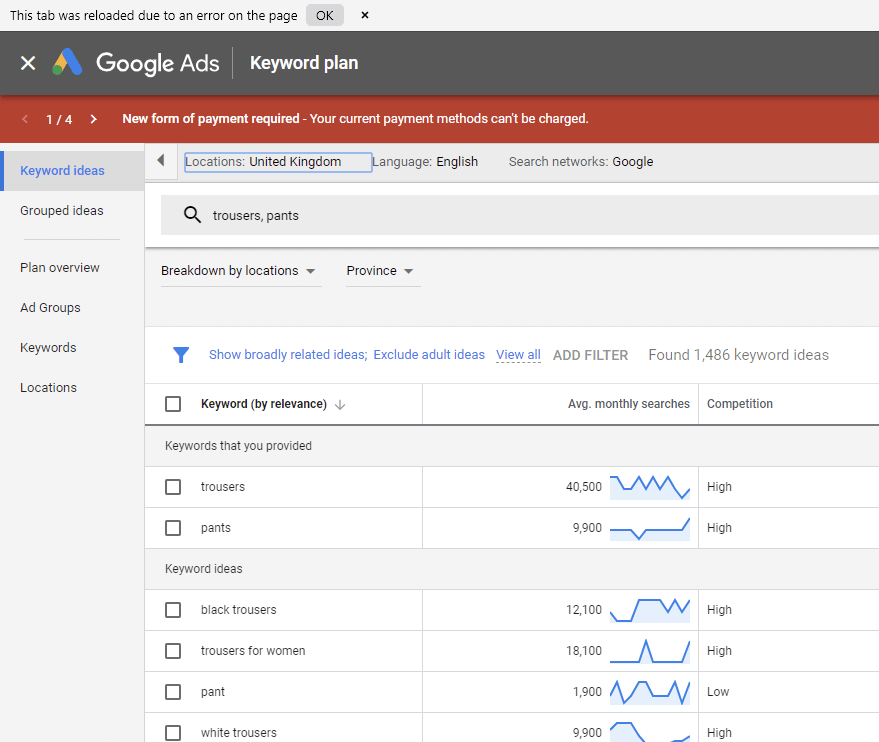
A keyword is a concept that someone uses for an answer in their mind, and from there, you commit the keyword with text, or even speech to a search engine in order to get an answer to the query.  You may notice how voice search and the impact of speech is handled here.  You may want to also look deeper into the word translate, which is the most confusing part, and a translation is a conversion of the meaning of the words or phrases in the keyword to other languages, using different translation systems, dictionaries, or knowing the language.  Why is this a problem, well, let’s talk about the different types of English. Some people may use different words to describe items. For example, pants in American English are well trousers, but in British English, they mean underwear.  This can have different variants, and you’re going to definitely have this issue with variations, whether you’re working with a whole different language, or different English language variants. There are so many different variations of this, and translation can go off tangent and nowhere near the intended meaning if you’re not careful.

Another is hood.  Hood in America can mean the hood of the car, while in British English it can mean a bonnet.  This can be a whole lot of trouble for you.

There is also the problem with different languages, and how they relate in the different history of this.  For example, in Spain, you actually use different acronyms to communicate the domain.  You definitely want to make sure that you are careful, cause this can also cause issues with homonyms.  If you’re using voice translation, this can be quite cumbersome.

Languages get words from their histories, typically from Latin or other major languages. Speakers that use the keywords do make them up, and that means that the search engine users are making up the keywords, and they are using words that they think are right, and search engines will train to adopt this.  You have to be careful since voice search can make the translation of these keywords less likely to be successful.

Translation systems and automaton are not perfect, and lots of times, you may not even realize how the nuances affect it.  You should, if you’re going to translate keywords, not use a system, but instead call upon a native speaker to help you generate the keywords that you may need.

The importance of Real-Time SEO

Consumer interests change fast, and with the connectedness of AI systems, you’ll realize that there is a new service standard. People now expect every interaction to be personalized, easy, and fruitful. Consumers want real-time information and services, and that’s something that you need to start focusing on. Real-time marketing is the future, and you’ll be able to, with this, create a better response to your clientele.

You need to tackle these consumers when they’re making personalized, custom content that gives them the answers that they need. At a time when professions are under the elevated pressure to get the right people, technology, and processes, delivering the consumer expectations is necessary.

People want in the moment services, and SEO has been critical in the customer journey and tapping into insights to get decisions about offers, content, and other factors. Competition for these customers is quite intense, and the consumer expectations for immediate gratification and need are becoming more and more ingrained. If SEO does continue to play more into this, you’ll definitely want to focus on the consumer needs and the growth, and the demand to get things faster.

that’s where real time comes in. whether it be in research that establishes the intent of the purchaser, or research that compares and narrows your purchase options, search is central to the journey of the customer. SEO is the front and center of the marketing enterprise. It gives key insights to content marketing, email marketing, paid and social media marketing, and even customer service, product development, and the rest. Because it is moving the needle, there are more expectations than before.

SEO isn’t marketing but instead, it’s driving insights and revenue across more and more channels. SEO insights are being used for a lot of content, the maturation of SEO point solutions into a unified, data-integrated platform in order to deliver the essential operational efficiencies is important.  You want to make sure that you tackle the voice, vertical, and visual searches.  This is a new frontier that leverages the advancements and the capability and efficiency in order to produce and act in an on-the-moment factor in terms of SEO insights. You need to focus on real-time insights because that simple question of asking how can someone help you is so important. The answer that best meets the criteria will get the business, so if you want to increase the search volume of your queries, the insights that are traditional, historical, or whatever, are the most important, and real-time insights give SEO and marketing a total chance, so you’ll want to make sure that you focus on how to help others in real time.

By doing this, you can change the way your searching goes, and from there, you’ll be able to create a variation for your customers.  You want to focus on what’s happening in the here and now, because customers want the here and now, and that’s something that is so important for SEO these days.

On Domain Penalties that Won’t Expire

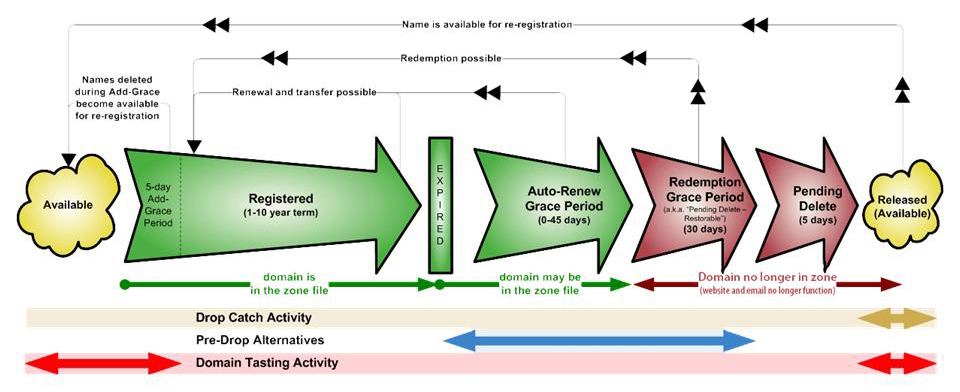
This is a peculiar situation where there were zero notifications of manual actions that rank for the brand name.  This can be a problem, and you may wonder why Google is keeping it from ranking, and it’s a problem that’s existed for a while. it’s essentially a penalty that’s associated when there is a domain that’s there even if it’s registered by a new buyer years later.

There are cases where you don’t’ get the notification that there is a penalty, especially if you just bought it. The site may have natural links due to word of mouth, but it cannot rank for even a snippet of the content.  What is the problem at this point? 

It may not be a problem with Google, but there might be other reasons.  it’s possibly something that was ranking from a long time ago.  For example, if you look at the archive, it might be linking to content that wasn’t ranking, but then tried to link to content that did rank. A domain that’s parked is a domain without a website, it just has ads. People used to do this to monetize the traffic, but nowadays that’s something that isn’t allowed, and it can blacklist the site, keeping it from ranking. 

These penalties have existed for a while, however. this has happened a lot over the years, and it used to be a standard to check the background of the SEO before you got it.  Another SEO that actually knows about this could actually get the legacy domain penalty lifted too.

There are search queries that the site owner uses to rank for being generic, and the ranking can be kind of hard with this too. It can be tricky. But if it’s not relevant to the brand name, and referring to the generic nature of the domain, it can possibly play into the problem.

There is also the fact that the site may be poorly optimized too. If you visit the site, you may not even notice that collective is there, and you may have an image and text in order to be recognized. If you omit your brand name from the home page of the website, you’re going to have issues with rank.

If the name isn’t in the page itself, chances are it won’t rank.

But, if you take content from a page that’s actually just a snippet from this domain, it won’t even rank it. So, if the site is fully indexed, the content itself won’t rank, due to the penalties.  This is definitely something that you should realize, and you should always check the archives.

So yes, previous domains, even when you buy them and completely rebrand everything, do play a big part in the overall success of the site. If you’re not careful, you’ll want to make sure that you do take the time to learn this, since it will in turn help with the ranking and benefits of the site.

How to Research Your Audience for SEO

SEO isn’t just about the numbers and rankings, but it’s about understanding the people that you’re trying to market to, and building a campaign that centers around that. When SEO is centered around the correct audience, the traffic will increase, leading to more, and better conversions. Here are several methods that allow you to analyze your audience and research for SEO. As you look at the list, you’ll see why these are the way to do it.

First, get some keywords to figure out the demographics. Keyword research should be targeted to relevant services and products, which is something already known. Once you have a solid list, select the five that best represent the brand and the demographics associated with this.  From there, you can figure out the audience and who you’re marketing to. Once you have that, you can look for ways to link these in order to target them.

Next, identify who is visiting the site.  This is kind of like painting the target around where the arrow is, but you should understand who is coming to the site to figure out the right audience. You can consult google analytics, and from there, once you enable the demographics and interest reports, you’ll be able to find the correct information that you need of your audiences.

You can also check to see what other brands and competitors are doing. You can look at the demographics and the psychographics, and collect as much information as possible. Quantcast is a good one since it will help you analyze everything that you need to see from your site, and really get a feel for what you’re looking at.

Social insights is another one.  For example, if you do use facebook, you’ve already got that put in. you can look at that and see the audience information, and a good idea of what you’re looking at.  You can what people are looking at when they look at your social media pages.

Then you have surveys, and you can send these out to the current email list.  You can also do this after a customer checks out, and the surveys can be short, and get to the point, and you can literally ask basic demographic questions, overall interests and other needs and such. From there, you can cater to the site, and from there, build it around the major needs of your customers.

Finally, try identifying questions. when google shows answers in the SERPs you want common user questions that are there too.  For example, answer the public, BuzzSumo, and the like can help with figuring out all of this, and you can from there, get an answer about the public that visits the sites.

With the right information, you can create the best SEO campaigns possible, and from here, put together a lot of better options for your business. With the right tools and tricks, you too can get a lot of great results from this, and in turn, create great campaigns.

PPC Generation Tactics

Not every customer is ready to buy, and most don’t want to talk to salespeople once they visit the site, but, they may be cool with exchanging contact information from the place if they get a resource. But, as competition for the bottom attention funnel grows, you need reaching strategies that work. You need to look at the people at all stages, especially those who are researching, but not ready to pay for your service or product yet.  here are some generation tactics that you can use in order to promote your PPC Campaign.

First, are newsletters. Email and newsletters are great at reaching prospects, and almost 90% of people prefer email for communications, so if they sign up for a newsletter, they are interested. Signing up also requires less commitment than talking to sales, or even a demo. This is also good because they’ll want to stay up to date on what is going on, potentially becoming customers in the future.

There is also an asset download. These include eBooks, whitepapers, infographics, data sheets, and case studies, and you can target the top-of-funnel keywords in order to point the users to asset downloads instead of immediate sales conversion.  Plus, people like free stuff, and they’ll get more information on your business while still potentially committing to it. They not only can point to the landing page, but you can also use lead generation forms such as those for LinkedIn or Facebook in order to get information from users, and this is a great way to get the links to your assets, which in turn will build your PPC.

Then there are webinars, which are a good way to get content, and this allows you to speak about your business for those who are interested but don’t know if they’re ready, and it does beat reading through whitepapers.  It can be audio-only, or videos, one-time events or maybe a monthly thing.  Whatever it is, this is a good way to get a lot more interest, because people will be more interested in listening to you, and this can gauge interest a whole lot more.

Finally, consider online assessments.  This is a good way to get the right idea of the type of audience that’s interested in you.  This can be a multiple-choice quiz, a fill-in-the-blank one, or whatever.  You can also make it so that users get a good idea of what they are.  You can also list the number of questions and the time to finish it and make sure that you ask questions that are both a combo of fitting properly in the business, but also not deterring them from actually completing this. it’s a good mix of both of these, and if you’ve been curious about both of these, then definitely consider this.

This is a great way to gauge interest and understanding of a business, and here, you can learn about each of these, why they matter, and other important aspects of them too.

Is Link Building Dead

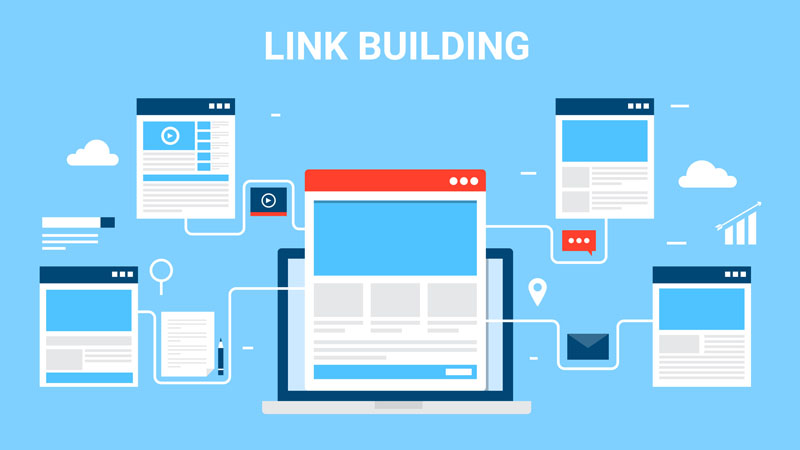
Link building used to be plagued by so many black-hat tactics including link farms paid link schemes and also hiding the links and spammy content, but after the Penguin update in the Google algorithm, it’s more focused on the quality content and the white-hat tactics that go along with it. But, that doesn’t mean that the debate is over. Some SEOs do think that it’s over, and any form of link building doesn’t work, and the best way to do it is to not do it. Others say that it’s a valuable and legitimate strategy if used correctly.

Well, it depends on who you talk to. Some have a contentious attitude towards this, and that’s because it may not even add value to the site.  Some old SEO advice that you write content for may not be generated for users, but instead link building and the search engine.  You shouldn’t build your links because you think they’ll bring a value, but you want to build these links to drive the targeted traffic.

You should look at some of the link building practices that look spammy, and how the rise of “arbitrary metrics” have blurred the link between what works, and what doesn’t.  You should also look at the fact that lots of times, internal linking is limited, and you should be investing in the content, rather than the link building.  The argument of that it doesn’t work is usually focused on building a better user experience, and be obsessive about the matching user intent, and the ultimate goal of that is genuinely to provide a result that’s good, and you should always, no matter what, aspire to be the authority in the field, and it’s better to earn than to build.

But, some people like to have links to build and distinguish the high-quality content in these competition niches.  The problem is that a lot of it isn’t seen, and if you don’t reach out directly or socialize, you’re missing out on linking.  You should look at how you secure these, and you can figure out, via networking, how you can build links into content that you already have, and how you can prevent people from missing out on your links.

Building links are something that, if you do choose to use this type of means to generate support, should be done in a way that is organic. Don’t’ try to farm links from anyone and everyone. Instead, you should make sure that the links you’re building are real, authentic, and actually generate a good result form this.

So are they bad? Not necessarily. Lots of people do believe that they are doing the right thing with linking, but if you’re creating spammy content and bad links, you’re pretty much shooting yourself in the foot, so always make sure that if you do choose to link, you do it in a way that not only benefits you but the other users of the site too.

Outbound Links content Strategy

The use of outbound links was originally seen as a nuisance, and people believed that they drained the PageRank score. But, there is a way of doing it that says you should link to high-ranking site, and doing this will allow you to be a leader, and no matter what you do, you’ll want to be seen as one or the other, and outbound links play a role in this.

There are some spam sites that link to other sites since they think the content makes it look normal, but the fact that the links are there may not even play a factor, but it’s the content. Outbound links have been a way to determine what a page is about. When a page links out, it’s going to a different element that tells about what the link is about.  There is some misinterpretation about what these spam sites try to do, especially with the outbound links and the usefulness of them. Outbound links reflect what the page talks about, and you want to make sure that they don’t’ look spammy. There is value in linking out, and there is also value to users for linking out, and this is important to consider when you’re using outbound links for a content strategy. Even if there is no on-page relevance for linking out, you should try to link out especially if you want users to love the web page.

So does linking lead to relevance or rankings? In a sense, yeah it can be good for relevant pages to have this, but you should move that thought away a little bit. Rather than just blandly choosing either a .edu or a .gov page, or whatever you need, you should link to content that is relevant, regardless of if it’s a ranking page or not. 

The biggest motivation for linking out in the first place is because you want to send out a good message to other sites, and this, in turn, will also play a part in your general authority.  If you link out, make sure that it matters. I get it, it brings forth SEO motivation, but if you’re just linking out to any old page, it’s going to look poor on your part.  You should look at the motivation of linking out so that you can explore the subtopics of what it’s about without taking your web page off by discussing this said subtopic. You want to generally balance out each of these different factors, and make sure that it looks right. 

So yes, use links, link out, whatever it is that you need to do, but as always, make sure it’s freaking relevant, because if it isn’t, it’s going to only make you look worse, and it’s going to actually play a factor in the way that you rank. At the bottom of it all, make sure that the content that you have ranks better than it did in the other previous posts as well.