PPC Generation Tactics

Not every customer is ready to buy, and most don’t want to talk to salespeople once they visit the site, but, they may be cool with exchanging contact information from the place if they get a resource. But, as competition for the bottom attention funnel grows, you need reaching strategies that work. You need to look at the people at all stages, especially those who are researching, but not ready to pay for your service or product yet.  here are some generation tactics that you can use in order to promote your PPC Campaign.

First, are newsletters. Email and newsletters are great at reaching prospects, and almost 90% of people prefer email for communications, so if they sign up for a newsletter, they are interested. Signing up also requires less commitment than talking to sales, or even a demo. This is also good because they’ll want to stay up to date on what is going on, potentially becoming customers in the future.

There is also an asset download. These include eBooks, whitepapers, infographics, data sheets, and case studies, and you can target the top-of-funnel keywords in order to point the users to asset downloads instead of immediate sales conversion.  Plus, people like free stuff, and they’ll get more information on your business while still potentially committing to it. They not only can point to the landing page, but you can also use lead generation forms such as those for LinkedIn or Facebook in order to get information from users, and this is a great way to get the links to your assets, which in turn will build your PPC.

Then there are webinars, which are a good way to get content, and this allows you to speak about your business for those who are interested but don’t know if they’re ready, and it does beat reading through whitepapers.  It can be audio-only, or videos, one-time events or maybe a monthly thing.  Whatever it is, this is a good way to get a lot more interest, because people will be more interested in listening to you, and this can gauge interest a whole lot more.

Finally, consider online assessments.  This is a good way to get the right idea of the type of audience that’s interested in you.  This can be a multiple-choice quiz, a fill-in-the-blank one, or whatever.  You can also make it so that users get a good idea of what they are.  You can also list the number of questions and the time to finish it and make sure that you ask questions that are both a combo of fitting properly in the business, but also not deterring them from actually completing this. it’s a good mix of both of these, and if you’ve been curious about both of these, then definitely consider this.

This is a great way to gauge interest and understanding of a business, and here, you can learn about each of these, why they matter, and other important aspects of them too.
Is Link Building Dead

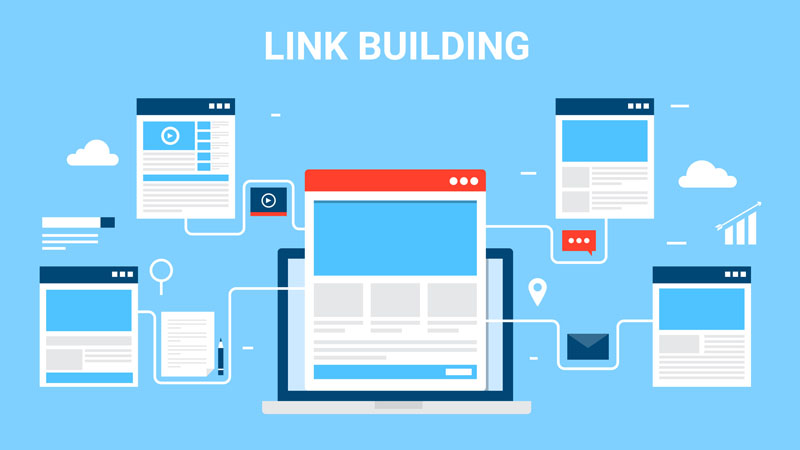
Link building used to be plagued by so many black-hat tactics including link farms paid link schemes and also hiding the links and spammy content, but after the Penguin update in the Google algorithm, it’s more focused on the quality content and the white-hat tactics that go along with it. But, that doesn’t mean that the debate is over. Some SEOs do think that it’s over, and any form of link building doesn’t work, and the best way to do it is to not do it. Others say that it’s a valuable and legitimate strategy if used correctly.

Well, it depends on who you talk to. Some have a contentious attitude towards this, and that’s because it may not even add value to the site.  Some old SEO advice that you write content for may not be generated for users, but instead link building and the search engine.  You shouldn’t build your links because you think they’ll bring a value, but you want to build these links to drive the targeted traffic.

You should look at some of the link building practices that look spammy, and how the rise of “arbitrary metrics” have blurred the link between what works, and what doesn’t.  You should also look at the fact that lots of times, internal linking is limited, and you should be investing in the content, rather than the link building.  The argument of that it doesn’t work is usually focused on building a better user experience, and be obsessive about the matching user intent, and the ultimate goal of that is genuinely to provide a result that’s good, and you should always, no matter what, aspire to be the authority in the field, and it’s better to earn than to build.

But, some people like to have links to build and distinguish the high-quality content in these competition niches.  The problem is that a lot of it isn’t seen, and if you don’t reach out directly or socialize, you’re missing out on linking.  You should look at how you secure these, and you can figure out, via networking, how you can build links into content that you already have, and how you can prevent people from missing out on your links.

Building links are something that, if you do choose to use this type of means to generate support, should be done in a way that is organic. Don’t’ try to farm links from anyone and everyone. Instead, you should make sure that the links you’re building are real, authentic, and actually generate a good result form this.

So are they bad? Not necessarily. Lots of people do believe that they are doing the right thing with linking, but if you’re creating spammy content and bad links, you’re pretty much shooting yourself in the foot, so always make sure that if you do choose to link, you do it in a way that not only benefits you but the other users of the site too.

Why AI is the reason for SEO Success

AI is one of the biggest trends in our current marketing atmosphere currently. Originally, we associate this with machinery, robots, and sciences, but now, it’s more familiar. From checking out at the store to even your Amazon order, AI is a part of our everyday society.

AI has changed SEO forever, and machine learning specifically is crucial in how search engines tend to rank pages, so you need to understand what AI is when optimizing for this. 

As you see more and more search engines identifying concepts such as keyword stuffing, backlinks that don’t have relevancy, and quality content, you need to use AI in order to meet the search engine requirements.  But, while you need to play by the SEO rules as needed, using AI for this not only gives you an opportunity to enhance the page rankings but also develop better and more cohesive strategies in order to help with better content.

So what do you need in terms of AI for SEO success? Well, you need AI for your content marketing strategy, since it creates more chances for you to reach the audiences, and also gives you a chance to put together more opportunities inot a better strategy.  It also will allow you to create more cohesive content that leads to SEO wins, and the solutions lie there. For many, using AI to collect this data and customer insights are the key to success in many different fronts.

With AI, you can use demographics, and from there add some influential and match brands in order to help with this. By looking at these sights, you can get the correct content strategy to target these people.

Then there is hyperpersonalization, which is something that captivates customers. Consumers want to feel that companies care enough to create content that focuses on their needs and concerns so that means that SEO and customer success relies on that.  79% of organizations that exceeded their revenue goals used this, so smart personalizations are used to recognize the intent and it can increase your profits by up to 15%.  that’s a lot!

With AI, you can target the specific landing pages that you want for customers, any dynamic content, and then any unique experiences that users can have, based on the data and behaviors of these customers. All of these can lead to some marked SEO success as well. So yes, personalization is a major factor of this. Search engines are recognizing, and from there rewarding those that have figured this out, so that they can have the best results possible, and really get the most out of their search engine content as well.

AI is the future of our world, and it’s something that SEO professionals need to realize is the future that we’ll be facing. If you’re not ready for it, then start to familiarize yourself with this, so that you can get the best results possible from your actions and your activities.

Will Nofollow Links Impact Your SEO

This is a common question that people ask, especially on search engines. But no, it won’t impact the SEO for any search engine, whether it be Google, Bing, or whatever. The problem with this that do SEO is that they tend to surface a ton of false positives.

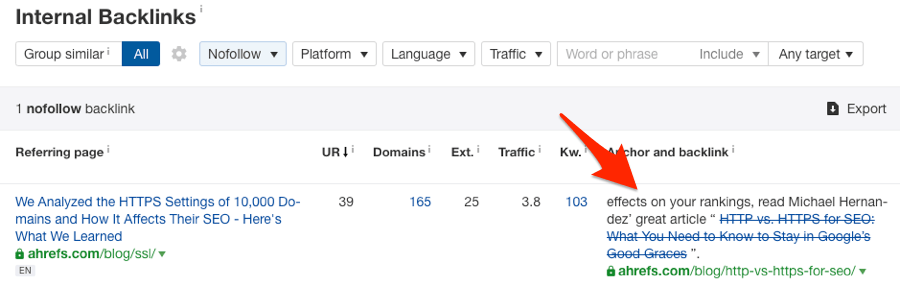
This is necessary since the tools don’t understand the nuances humans are able to, but it’s hard to give an explanation that isn’t totally accurate as well. You can use nofollow on the internal link, and if you don’t want pages like login screens or commons on the blog to show in the search, nofollow is a good way to get this.

In a specific sense, it often means that the comment plugin is suppressing the comment reply links. there’s no good reason to allow for people to link to those pages directly, nor would you want them to show up within the search, so nofollow is a very acceptable way to handle this. The advice is to make sure that you look up the definitions of everything yourself, and think about the purpose of those within the larger scheme of things

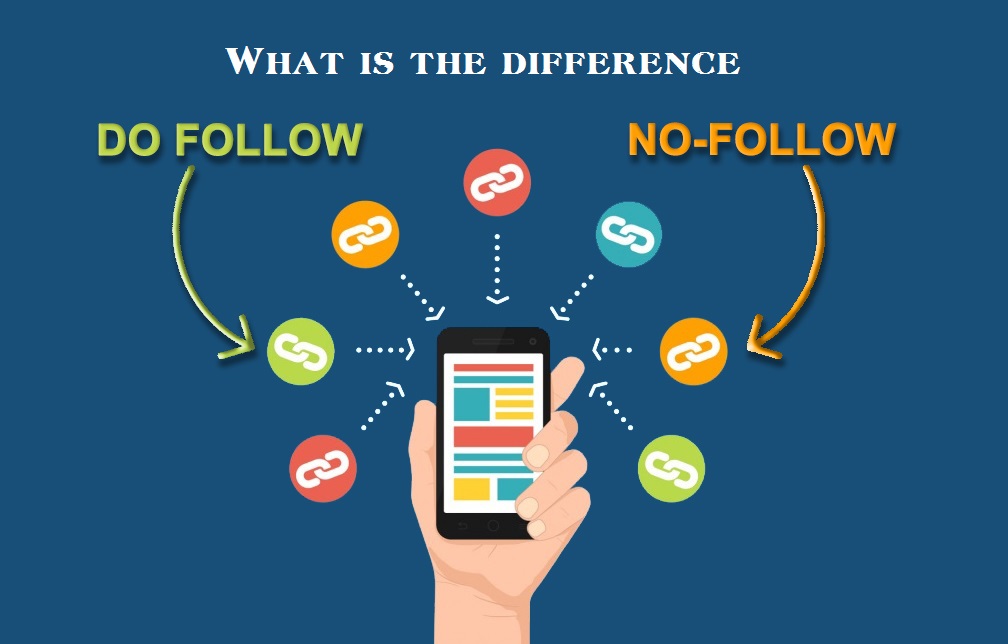
Google did not invent nofollow, but instead, it was a microformat that was used and collaborated on.  It indicates that the referred resource was not linked to the author of the page, and thus the references should not afford the luxury that comes from this or any additional weight.

Now, there are two parts to this, and the first is author o the age, which means that nofollow should be used in blog comments or advertising, where the author is’ responsible for the content that’s linked. Additional weight is the other comment. While SEO pros have become accustomed to the nofollow meaning to not follow the link, because that’s what Google says it means, that’s not the original meaning for this.

So it probably also comes to you as a surprise that these other search engines that aren’t google treat these nofollow links a little bit different than say Google might do.

The main takeaway from this is the following. Nofollow is a useful tool in the SEO toolkit, and it’s something that you should make sure that you have.  The insinuation by this tool provider that using it in the internal links will make google suspect you is clearly not true at all. However, nofollow only works to keep pages out of the search results if you also fill out the noindex command on the destination page, and there aren’t’ any other followable links that are located on the page. it’s important to make sure that you realize this, and you make it so that you’re able to understand the difference, and how each of these different factors that come into this help to impact the SEO of your company. you’ll be able to, with all of this, make sure that you get the most out of your links, and understand what nofollow means.

You’re Not Entitled to Links

Recently, there’s been tension between Google and SEO communities regarding links.  It was the idea that links that are quoted by websites like news organizations are entitled to a follow link. The answer to that is no.  every websites’ TOS should include screenshots of the site, quotes taken from content, and a followable HTML link, because sites will write about you, and they should be linking. But, you’re actually not entitled to links, and many in the SO community do agree with this.  It is definitely something that its important if you want to build repute, so it should be happening.

But there are others that disagree with this since they think that focusing on links is what is against holistic SEO.  The word holistic in this case means something that has multiple parts working together. For example, in SEO it means that ranking well on Google is more than just spamming links, but instead engaging in various Activites that communicate the site or product, and it is what google encourages. Creating content on a news site, with just the mention of the brand, is actually something that falls into this category.

The Google search algorithm is predicted to satisfy users, and there are google tests along with algorithms that determine if they’re showing users what they expect to see in the SERPs, and that’s what the CTR studies are about.  Creating hat expectation in users is often done by being cited without a link, so it makes it difficult for those who want tangible links. The results are that the average SEO loses focus on the prize, and they focus too hard on obtaining links.

The big thing to remember is that while obtaining links is important, and creating awareness is important too, and making sure that this all works together is something that you as an SEO professional need to realize.

However, according to Google requiring a link is black hat.  it’s clear that requiring this is black hat, and it’s because that’s not a real citation. If you force someone to link you, then it’s not an actual citation, and it’s essentially paid for. Paid links are when sites receive a payment from another site, and that’s usually the payment in the form of a link content, quote, or even an image.

Creative Commons doesn’t require a search engine follow link if it has any context with the mentions within a site.  Of particular interest, is that it lets the licensee determine what kind of link that they want to use. If you require a dofollow link, then you’re violating the Google’s guidelines and the creative commons wording that conforms with this.

So, should it be included? Well, it is debatable. Some people think that they should, and some are recommending it in the first place. The biggest thing to remember is to follow the rules, and you don’t want to be accused of some black hat SEO, so be smart.

SEO Trends You Need To Stop Hyping Now

Many times, we obsess over every detail, but in reality, not everything in SEO is worth our attention, and there are a few trends that you should not really focus on, because well they’re overrated, and here, we’ll talk about what these trends are, and why you shouldn’t care.

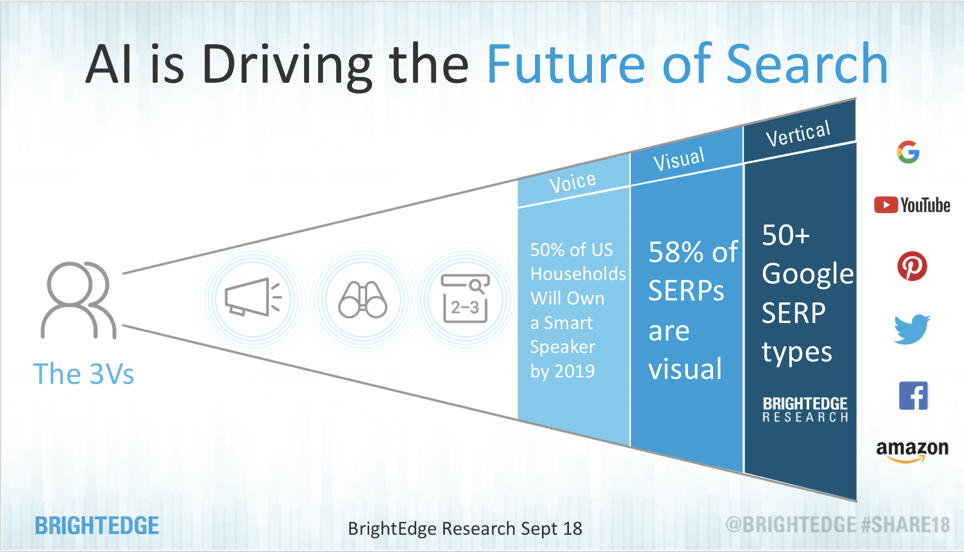
First, is voice search. This is something that people don’t realize is actually overrated. there’s a difference between voice search and voice assistance.  Voice assistance is getting help with something, but voice search is searching for something near you.  it’s overhyped because it’s predicted people will interact with businesses this way. But the truth is, it really doesn’t generate a lot of revenue, and we are still at the beginning of practical voice search, so not worth where you should be putting your time and money.

Then there are duplicated local landing pages. Many people think this works because it’s an old tactic, but it doesn’t work forever, but many pages will try to rank in multiple cities, and they think virtual offices and multiple landing pages work, but it’s actually not as effective, and this is actually a much riskier activity these days. To counter this, many sites are building landing pages with keywords stuffed in, which again is a bad tactic you shouldn’t’ be doing.

they’re overrated for the simple reason of these pages don’t’ account for the experience of the user, and it tends to increase the duplicate content, so if you don’t really need this, don’t use it.

Then there is quantity over quality, and many companies think that they need to have as many location directories as physically possible. There is value listed in specific directories, but quantity doesn’t equal quality, so you should work for only the top 2-30 citations, and then move onto the more industry-specific listings, and this is important for businesses that need authority, such as for example the world of healthcare.

Then there’s obsessive rank tracking.  Keyword tracking is overrated, but not necessarily in every single sense, ti’s tracking every single keyword.  It’s overrated because the reality is that every keyword has a variety of intents on the search, and you won’t give you the best impression of the performance.

The best way to do this as well, to focus on fewer keywords, and you shouldn’t track more than 30 keywords at a time, though this varies, but it’s much easier to manage than over 100 different keywords. Before you track these, do run a manual search on these, and if you’re not producing the results to be expected, don’t use them.

Finally, there’s guest posting.  It holds weight on sites with quality, but don’t just use the same sites all the time. Focus on the outreach strategy that targets industry publications.

These trends, while they may not always be bad necessarily, are still something that you should definitely continue to look at, and something that you should try to consider as well.

Video and Ad marketing goals and the best way to achieve them.

When you’re new to video advertising, there are a lot of questions, and you may wonder what are the main goals? Well, here we’ll talk about the top goals that you should have, and how you can achieve them.  The questions that you might have will vary, and here, we’ll focus on the goals that matter, and how you can achieve them.

First, you’ve got to dip your toe in the water. This is getting comfortable with it, similar to after running a campaign or two, where they want to ramp things up a bit, or maybe step back. Remarketing is the best approach, and if you d it with, you’ll see results without the huge budget.

Remarketing in video advertising is essentially targeting people that have interacted with the company, either via the website, app, watched a video, or shared contact information, and you want to remarket visitors in sufficient volume, and you can further target the leads that lead to conversions, and you’re targeting people that have a relationship with you.

Next, you may want to build brand awareness, and this is the next step after the first. You will want to target them with detailed demographics, and the affinity audiences. Detailed demographics will showcase common traits that you should work to target. Affinity audiences are similar and that’s the pre-defined categories that Google already has, such as banking and finance, beauty and wellness, or whatever.  They can be broken down, but regardless of what you choose, you want to be reasonably robust because the targeting tends to be broad, and you want to make sure that you get the ones that fit with business to consumer, or business to business.

If the goal is to reach those who buy the product or service that you offer, then you want to use in-market targeting, where the ads are presented to those who actively research and compare the products. Google also takes the account clicks on ads and subsequent conversion, and they look at the content of the sites and pages, along with frequency and how recently they happened.  The audience for this is pre-defined, and many use B2C or B2B business strategies.  This is a good type of targeting since it reaches people that express interest.

Finally, you’ve got the goal to tempt the customers that your competitor has. You can use custom affinities for this, where you can tailor the affinity audience to a singular brand, such as including the URLs of the competitors, and you can look at the companies that are competing in order to get people to look at your brand. This is a great way to give video ads that will be to the same people, especially competitors, and it’s a way as well to target relevant groups without audience definition.

Using your ads and video campaigns wisely will allow you to do so much more, and it can definitely help.

Three Ways to Evangelize your SEO Content

SEO is very important and it does have a connection to the customer’s voice, and it’s important for content marketers to be creative, and here, we’ll talk about three ways that will get you some converts almost immediately, and why they matter.

First, you have keyword clouds.  Most of the time, people approach this in the old-school way of finding the idea, creating the content, and then ret-con the titles, headers, the USLs, and other elements. Many times, this can be a protracted process, with the SEO team doing the keyword research and optimizing itself independent of the content team. But brainstorming all of these, you’ll be able to look at content topics, and figure out what you want to do with this, until you find an angle that’s unique and compelling, serving as a strong keyword strategy outline for the content piece that is holistic and true to what you’re communicating.

Next, you want the content to last a long time.  Have you ever took the time to look at different blog posts from years ago? It can be strange because it feels like it can be in a ghost town along the website edges. There are some little pockets of content that still get traffic, but most the time, they have the purpose of exercising nostalgia.

You want to look at the content and make sure that you see if the old content is candidates for re-optimization or republication. Reoptimization tends to be more recent, and that’s the kind of content that’s right near the page 1 of the SERO, and they just require small edits and maybe a few changes to strike the keywords. You should also look at those that drop in organic traffic, maybe because of something happening with the SERP.

https://youtu.be/LN7BzPPu1Vo

With republication, you need to see that the content is outdated r the striking distance of the keywords is way outside the subject matter, and you can determine whether this is worthwhile with the team. If the content is misaligned with the current priorities, then you want to add new brand new content.

Finally, optimize the content touchpoints and the user paths.  You need to understand where others are coming from, what appeals to them when they get to where we are, and how to get them what they need. SEO helps with all of this, where you create a content strategy that reflects the behavior of these people.  The clouds come into play here, where you create multiple touchpoints in order to amass engagement.  Basically, what you want to do is look at the different key pieces of content that people are looking at, and from here, set up optimized steps on what to do next, in order to bring people to the site itself.  You want to get the SEO and content experts team of designers to help make sure all of the paths are seamless, and as comprehensive as they can be too.

Is SEO really Complex

You may wonder as you start your journey into SOE whether it’s really as complicated as it is.  It really is making a site analysis, creating a schematic core of this, creating content that’s original and has the keywords, but you may not realize that it’s a bit more complex than that. Just how complex though? Well, read on to find out!

You may wonder if it really is all that complex. Well, it’s a complicated discipline where it combines tools, practices, and adjusting to the updates.  The broad core algorithm updates, chrome security warnings, the mobile speed update, and video carousels definitely affect the algorithm, and it’s new technology that you have to keep yourself in the know about since it modifies the way that search engines work.

But, keeping yourself in the know about what is happening is actually very important, and let’s face it, if you know about this, that’s half the battle, and this will help with improving your efforts for making SEO reasonable and manageable for people.

There is a common issue that overcomplicates SEO though, and that’s misunderstanding how the algorithms work. We tend to misinterpret what google brings to the table, and from there, it can cause you to spend a lot more time on tasks that have nothing to do with what you need to do and gets you absolutely no results. Google benchmark is a prime example, and once it was announced, people dashed there to improve the page speed in every way possible.

But, is that necessary? Well, if a page tends to slow down, you can expect the site to go down in the SERPs too. But you should realize that there are some things that you don’t need to cull over for hours upon hours on end just to get an understanding of it, and you’ll want to make sure that you’re knowledgeable in all of this, as best as you can be.

But finally, there are tools. New restrictions force you to think outside the box, but it also allows for you to use a vast selection of SEO tools. We are moving from different SEO skills, and you can learn new approaches, and your clients will want to use different tools, such as learning to promote their latest projects internationally. that’s a much different landscape than a local SEO climate so, the truth is, it’s not all that complicated at the core.  You have basic tools, but the sheer number of tools is what makes it much more complicated, and the fact that there is just so much out there which can make the job so much harder for you too.

So to answer the question, SEO isn’t all that complicated, but if you focus on the wrong things at the wrong time, and you try to work to overcomplicate the nature of SEO, you’re going to end up having a bad time, because welcome to overcomplex systems, and overthinking as well too.

Rules to Follow when Making Facebook Ad Campaigns

Marketing with Facebook isn’t a free-for-all, nor does it guarantee a win either, since organic reach plunged downwards, and reaching your audience for free is in the past. But, before you make a blip in this, there are a few rules, and here, we’ll discuss the most basic rules to follow for a Facebook ad campaign.

When running promotions, you need to include two pieces f information, and that is a note that informs the participants that the entry also releases facebook from responsibility, and a note that acknowledges facebook has zero to do with the promotion. This essentially lets people know that this has zero connections to Facebook, and it’s important to make sure that you say this, and it will help keep them out of the ring when you’re promoting this.

Next, don’t use personal timelines and don’t require entrants to use entrants to enter, so you can’t require them to tag friends for additional entries and share it to a friend’s or personal timeline. You may encourage them to share, but don’t make that a requirement for entry.

If you’re going to be collecting data, always make sure that you will let others know how you’re using it, and make sure that they have permission, and that you’re collecting it. it’s a good business practice period.

Next, be careful when creating page names. don’t use excessively incorrect page names, but while some people do use incorrect punctuation or spelling for their brand, don’t go overboard with that. As well, don’t use profanity, and don’t be generic when using this, and you’ll want to make sure that this is definitely put together before you do this.

Next, if your business does offer social media service, you might want to add facebook in this, but don’t do it excessively. Mention it in a limited way, and make sure that it’s capitalized, and is in the same font style, and don’t substitute the logo for the word facebook. And don’t use the facebook logo directly in ads.

Finally, make your call to action very clear.  Call to action buttons are helpful, but make sure that you do use the information that is obtained for only the service that’s provided, and if you want to use that information otherwise, the user must consent to that before you continue with it.  You may be asked for subscription services, and with the call to action, you should make sure that it’s connected to whatever you’re promoting, whether it be signing up for a free gift bag each month like with ipsy, or even just having a survey in place. Be careful with this, because they can take that way from you if you’re not careful, and it can cause a lot of major problems in your ability to market.

Follow these rules, and make sure that you know them before you begin, for it can make a huge difference in how you conduct your business and the practice.