Tips for a Successful Local SEO Campaign

It is a no-brainer that the main purpose of any SEO campaign is to get the business website ranked against the related keywords. Now, larger companies do not care much about the local SEO since they work in a wider domain. And so, they do not have to work on the local SEO.But this form of SEO is quite important for the startups and small companies who do not operate beyond the boundaries of a specific locality.

https://youtu.be/_2P-l57clHg

In this article, we will discuss the tips for successful local SEO.

Optimizing site for the local search

The first thing that you will have to do is to optimize your site for the search traffic. If you have handed over this task to an SEO agency, they would be working on this task already. And if you want to do it by yourself, you will have to work on the following aspects.
  • You may already know that there is a title and description that appear on the SERPs when you search for a query. These are the title tags and Meta description. You have to make sure that you optimize this set of information well.
  • After your visitors have clicked the link of your site on the SERP, they are going to look for the information. You have to make sure that you have published highly optimized and useful content on the web pages.
  • While creating the page titles, do not limit the titles to the names such as “Furnace Repair”. Rename that title to “Furnace Repair in Saratoga Springs, NY”. Since you are optimizing the site for local traffic, you need to target the local audience.

Submitting NAP to local directories

In case of local SEO, you will have to keep in focus the directories which allow submission of local businesses. The information that you need to enter in those directories is known as NAP, an abbreviation of Name, Address and Phone number. While online interaction has increased generally, people still like to walk physically into the local stores and businesses to buy products and services. Therefore, it is important to provide customers with the contact information they could use for offline purchases.

Claim local listings

To dominate in the local SEO, you will need to claim the local listings in well-known websites. This listing submission may sound similar to NAP submission but it is not the case. Claiming a listing allows your customers to leave reviews about your business on third party trusted platforms such as Yelp, Yahoo, and Google My Business.

Optimize your site well

While you do not face tougher competition in the local SEO in a way like in the regular SEO, you still need to make sure that your website is fully optimized. For this purpose, you will have to work on the on-page elements as well as off-page aspects.

Spying On Your Competitors to Find Link Opportunities

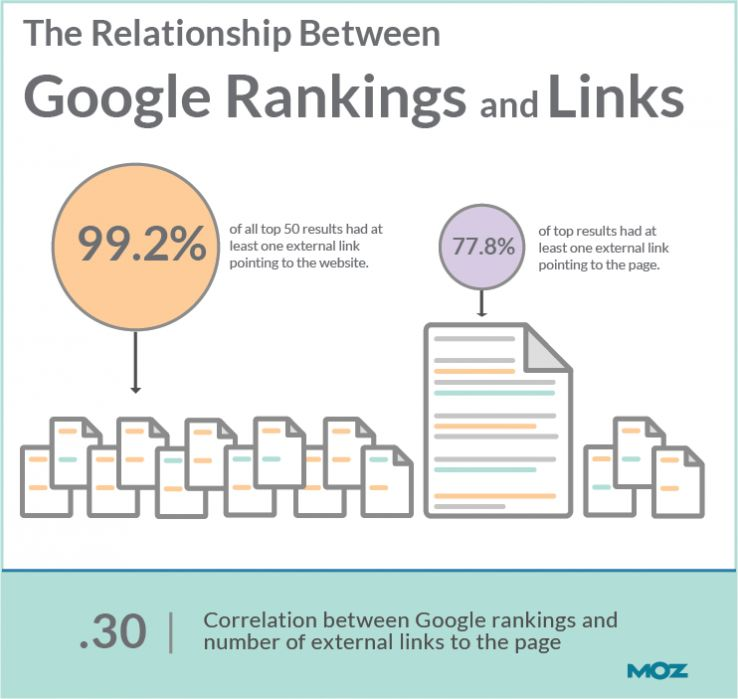
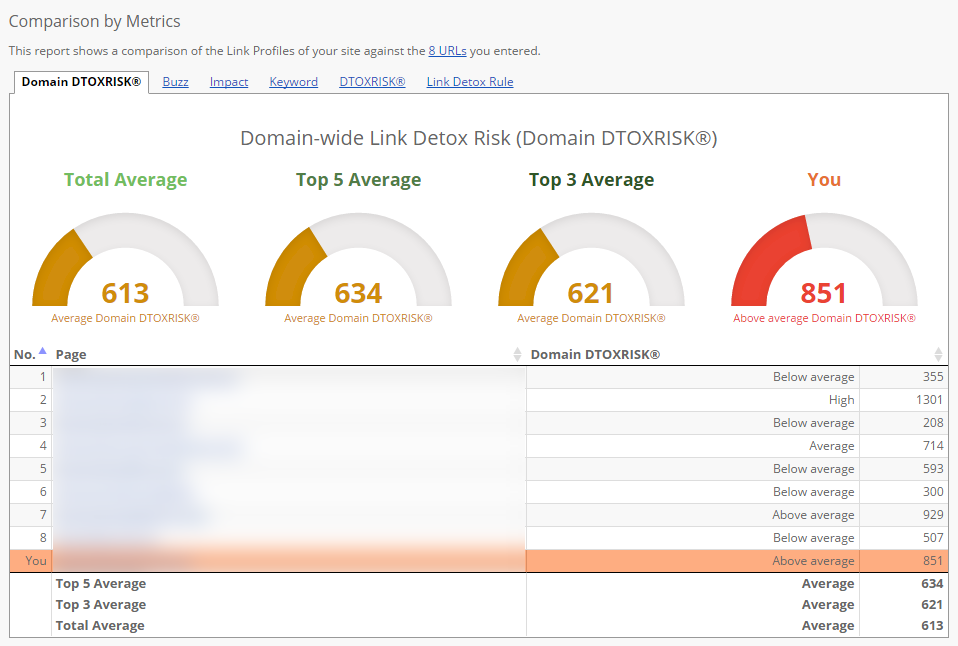
Link building is the most important practice of SEO, and it can turn out to be the most challenging one. The purpose of link building is not to spread the link to get traffic. It is more about linking your site with the trustable sources to get the authority of your website enhanced.

Finding link opportunities and working on them can be a tough ask if you do not have much time. In this scenario, it could be a good idea to spy on your competitors to see what link opportunities they are using.You will have to see how and where your competitors are getting links from. This way, you may be able to build relationship with the sources of your interest.

The competitive link analysis

Competitive link analysis mainly involves use of sophisticated software to get competitor’s backlink data. This data is then sorted by link builders in order to find any link opportunity. In this scenario, there are a couple of ways that can be considered in order to approach the competitive link building.

  • Create a webpage which should be better than your competitor’s.Then you will need to reach out to the domain get your link included on their website.
  • Find dead or redirected pages on your competitor’s website and report it to the domain. Then you can offer the links of your webpages as an alternate.

If you want to choose competitive link analysis here, you will have to keep in mind there is going to be a lot of manual work regarding reaching out to the link opportunities. And the success rate may differ based on the type of link.

Competitor link analysis benefits

Competitor link analysis is the first strategy that most of the businesses work on and there is a reason for it. Depending on the industry, some businesses rely on the resource content or product pages. And it becomes important to know what your competitors have done to compile links in a given industry. This way, you can get a roadmap to move forward.

There are great chances that if a website has linked to a similar type of content in the past, it is going to do it again. These links are not only easy to acquire but these are usually the highly relevant links.

Moreover, the competitor link analysis can be a viable to strategy to fill the keyword gap between your competitor and you.

Acquiring links through competitive link analysis

Competitive link analysis is a step-by-step process through which you can acquire links.

  • First of all, you will have to extract the backlink profiles of your competitors. You can do it with the help of tools such as SEMrushandAhrefs. You can download the data in CSV format.
  • After downloading the data, you will need to organize the spreadsheet by opportunity. This organizing of the spreadsheet is a matter of seconds.
  • Look at the competitor’s content and see what type of content they have published to get the valuable links. You will need to write better content from your competitors.
  • Finally, you will need to reach out to the link sources to get your webpages linked to them. If you have done the above-mentioned homework well, you are definitely going to get the links.

Learning SEO in Modern Era

If you look at the Google SERPS, you will notice that it has become completely different from what it was just a few years ago. It’s not just a surface change we are talking about. Google has become more of a portal than a search engine in the recent years.

This evolution has brought major change in the user behavior. Google has been able to enable the users to bypass clicking on the websites in order to get information or take necessary actions. In this scenario, it may seem like Google is trying to take the authority away from the websites but it is no true. Websites have even bigger role in this scenario.

Build and train your SEO agency

It would be worth mentioning that every activity being done in an organization has its impact on the SEO. Therefore, the SEO team has to be involved in keeping a track of those activities. If you are managing SEO of your organization, you will need to have information about every activity which can have an impact on the SEO. And then, you will need to teach your SEO team to tackle with the issue.

Expanding writing capability

Product information, how-to guides, and several other types of content have the capability to gain higher visibility in the search engine results. The reason is that they ideally qualify to be shown in the featured snippets. If you are managing a team of writers, you will have to make sure that they are capable of creating the content which can compete to acquire organic visibility.

In this scenario, the writers also need to have good knowledge about SEO-friendly JavaScript, schema, writing for the long tail, rich snippets, and the section called “People Also Ask”.

Take into consideration the mobile SERPs

One of the problems to talk about is that we work on the computers and so we check the results of that work on computer SERPs. However, things are going to change from July 1 because Google is going to use mobile-first indexing for the indexing of new websites. And older websites will be reevaluated for the mobile-first indexing readiness. Most of the internet users now search for anything using their mobile phones. This is the reason that brands now need to closely pay attention to the mobile SERPs.

Advantage of big data

According to Jessica Bowman who is the CEO of SEO In-house and Search Engine Land editor, it is going to be more beneficial to hire a data scientist rather than hiring an SEO for the job of studying data. Data scientists have better knowledge about the trends that you can use to improve your optimization efforts, inform your content team and improve the user experience.

The importance of Real-Time SEO

Consumer interests change fast, and with the connectedness of AI systems, you’ll realize that there is a new service standard. People now expect every interaction to be personalized, easy, and fruitful. Consumers want real-time information and services, and that’s something that you need to start focusing on. Real-time marketing is the future, and you’ll be able to, with this, create a better response to your clientele.

You need to tackle these consumers when they’re making personalized, custom content that gives them the answers that they need. At a time when professions are under the elevated pressure to get the right people, technology, and processes, delivering the consumer expectations is necessary.

People want in the moment services, and SEO has been critical in the customer journey and tapping into insights to get decisions about offers, content, and other factors. Competition for these customers is quite intense, and the consumer expectations for immediate gratification and need are becoming more and more ingrained. If SEO does continue to play more into this, you’ll definitely want to focus on the consumer needs and the growth, and the demand to get things faster.

that’s where real time comes in. whether it be in research that establishes the intent of the purchaser, or research that compares and narrows your purchase options, search is central to the journey of the customer. SEO is the front and center of the marketing enterprise. It gives key insights to content marketing, email marketing, paid and social media marketing, and even customer service, product development, and the rest. Because it is moving the needle, there are more expectations than before.

SEO isn’t marketing but instead, it’s driving insights and revenue across more and more channels. SEO insights are being used for a lot of content, the maturation of SEO point solutions into a unified, data-integrated platform in order to deliver the essential operational efficiencies is important.  You want to make sure that you tackle the voice, vertical, and visual searches.  This is a new frontier that leverages the advancements and the capability and efficiency in order to produce and act in an on-the-moment factor in terms of SEO insights. You need to focus on real-time insights because that simple question of asking how can someone help you is so important. The answer that best meets the criteria will get the business, so if you want to increase the search volume of your queries, the insights that are traditional, historical, or whatever, are the most important, and real-time insights give SEO and marketing a total chance, so you’ll want to make sure that you focus on how to help others in real time.

By doing this, you can change the way your searching goes, and from there, you’ll be able to create a variation for your customers.  You want to focus on what’s happening in the here and now, because customers want the here and now, and that’s something that is so important for SEO these days.

How to Research Your Audience for SEO

SEO isn’t just about the numbers and rankings, but it’s about understanding the people that you’re trying to market to, and building a campaign that centers around that. When SEO is centered around the correct audience, the traffic will increase, leading to more, and better conversions. Here are several methods that allow you to analyze your audience and research for SEO. As you look at the list, you’ll see why these are the way to do it.

First, get some keywords to figure out the demographics. Keyword research should be targeted to relevant services and products, which is something already known. Once you have a solid list, select the five that best represent the brand and the demographics associated with this.  From there, you can figure out the audience and who you’re marketing to. Once you have that, you can look for ways to link these in order to target them.

Next, identify who is visiting the site.  This is kind of like painting the target around where the arrow is, but you should understand who is coming to the site to figure out the right audience. You can consult google analytics, and from there, once you enable the demographics and interest reports, you’ll be able to find the correct information that you need of your audiences.

You can also check to see what other brands and competitors are doing. You can look at the demographics and the psychographics, and collect as much information as possible. Quantcast is a good one since it will help you analyze everything that you need to see from your site, and really get a feel for what you’re looking at.

Social insights is another one.  For example, if you do use facebook, you’ve already got that put in. you can look at that and see the audience information, and a good idea of what you’re looking at.  You can what people are looking at when they look at your social media pages.

Then you have surveys, and you can send these out to the current email list.  You can also do this after a customer checks out, and the surveys can be short, and get to the point, and you can literally ask basic demographic questions, overall interests and other needs and such. From there, you can cater to the site, and from there, build it around the major needs of your customers.

Finally, try identifying questions. when google shows answers in the SERPs you want common user questions that are there too.  For example, answer the public, BuzzSumo, and the like can help with figuring out all of this, and you can from there, get an answer about the public that visits the sites.

With the right information, you can create the best SEO campaigns possible, and from here, put together a lot of better options for your business. With the right tools and tricks, you too can get a lot of great results from this, and in turn, create great campaigns.

PPC Generation Tactics

Not every customer is ready to buy, and most don’t want to talk to salespeople once they visit the site, but, they may be cool with exchanging contact information from the place if they get a resource. But, as competition for the bottom attention funnel grows, you need reaching strategies that work. You need to look at the people at all stages, especially those who are researching, but not ready to pay for your service or product yet.  here are some generation tactics that you can use in order to promote your PPC Campaign.

First, are newsletters. Email and newsletters are great at reaching prospects, and almost 90% of people prefer email for communications, so if they sign up for a newsletter, they are interested. Signing up also requires less commitment than talking to sales, or even a demo. This is also good because they’ll want to stay up to date on what is going on, potentially becoming customers in the future.

There is also an asset download. These include eBooks, whitepapers, infographics, data sheets, and case studies, and you can target the top-of-funnel keywords in order to point the users to asset downloads instead of immediate sales conversion.  Plus, people like free stuff, and they’ll get more information on your business while still potentially committing to it. They not only can point to the landing page, but you can also use lead generation forms such as those for LinkedIn or Facebook in order to get information from users, and this is a great way to get the links to your assets, which in turn will build your PPC.

Then there are webinars, which are a good way to get content, and this allows you to speak about your business for those who are interested but don’t know if they’re ready, and it does beat reading through whitepapers.  It can be audio-only, or videos, one-time events or maybe a monthly thing.  Whatever it is, this is a good way to get a lot more interest, because people will be more interested in listening to you, and this can gauge interest a whole lot more.

Finally, consider online assessments.  This is a good way to get the right idea of the type of audience that’s interested in you.  This can be a multiple-choice quiz, a fill-in-the-blank one, or whatever.  You can also make it so that users get a good idea of what they are.  You can also list the number of questions and the time to finish it and make sure that you ask questions that are both a combo of fitting properly in the business, but also not deterring them from actually completing this. it’s a good mix of both of these, and if you’ve been curious about both of these, then definitely consider this.

This is a great way to gauge interest and understanding of a business, and here, you can learn about each of these, why they matter, and other important aspects of them too.

Is Link Building Dead

Link building used to be plagued by so many black-hat tactics including link farms paid link schemes and also hiding the links and spammy content, but after the Penguin update in the Google algorithm, it’s more focused on the quality content and the white-hat tactics that go along with it. But, that doesn’t mean that the debate is over. Some SEOs do think that it’s over, and any form of link building doesn’t work, and the best way to do it is to not do it. Others say that it’s a valuable and legitimate strategy if used correctly.

Well, it depends on who you talk to. Some have a contentious attitude towards this, and that’s because it may not even add value to the site.  Some old SEO advice that you write content for may not be generated for users, but instead link building and the search engine.  You shouldn’t build your links because you think they’ll bring a value, but you want to build these links to drive the targeted traffic.

You should look at some of the link building practices that look spammy, and how the rise of “arbitrary metrics” have blurred the link between what works, and what doesn’t.  You should also look at the fact that lots of times, internal linking is limited, and you should be investing in the content, rather than the link building.  The argument of that it doesn’t work is usually focused on building a better user experience, and be obsessive about the matching user intent, and the ultimate goal of that is genuinely to provide a result that’s good, and you should always, no matter what, aspire to be the authority in the field, and it’s better to earn than to build.

But, some people like to have links to build and distinguish the high-quality content in these competition niches.  The problem is that a lot of it isn’t seen, and if you don’t reach out directly or socialize, you’re missing out on linking.  You should look at how you secure these, and you can figure out, via networking, how you can build links into content that you already have, and how you can prevent people from missing out on your links.

Building links are something that, if you do choose to use this type of means to generate support, should be done in a way that is organic. Don’t’ try to farm links from anyone and everyone. Instead, you should make sure that the links you’re building are real, authentic, and actually generate a good result form this.

So are they bad? Not necessarily. Lots of people do believe that they are doing the right thing with linking, but if you’re creating spammy content and bad links, you’re pretty much shooting yourself in the foot, so always make sure that if you do choose to link, you do it in a way that not only benefits you but the other users of the site too.

Why AI is the reason for SEO Success

AI is one of the biggest trends in our current marketing atmosphere currently. Originally, we associate this with machinery, robots, and sciences, but now, it’s more familiar. From checking out at the store to even your Amazon order, AI is a part of our everyday society.

AI has changed SEO forever, and machine learning specifically is crucial in how search engines tend to rank pages, so you need to understand what AI is when optimizing for this. 

As you see more and more search engines identifying concepts such as keyword stuffing, backlinks that don’t have relevancy, and quality content, you need to use AI in order to meet the search engine requirements.  But, while you need to play by the SEO rules as needed, using AI for this not only gives you an opportunity to enhance the page rankings but also develop better and more cohesive strategies in order to help with better content.

So what do you need in terms of AI for SEO success? Well, you need AI for your content marketing strategy, since it creates more chances for you to reach the audiences, and also gives you a chance to put together more opportunities inot a better strategy.  It also will allow you to create more cohesive content that leads to SEO wins, and the solutions lie there. For many, using AI to collect this data and customer insights are the key to success in many different fronts.

With AI, you can use demographics, and from there add some influential and match brands in order to help with this. By looking at these sights, you can get the correct content strategy to target these people.

Then there is hyperpersonalization, which is something that captivates customers. Consumers want to feel that companies care enough to create content that focuses on their needs and concerns so that means that SEO and customer success relies on that.  79% of organizations that exceeded their revenue goals used this, so smart personalizations are used to recognize the intent and it can increase your profits by up to 15%.  that’s a lot!

With AI, you can target the specific landing pages that you want for customers, any dynamic content, and then any unique experiences that users can have, based on the data and behaviors of these customers. All of these can lead to some marked SEO success as well. So yes, personalization is a major factor of this. Search engines are recognizing, and from there rewarding those that have figured this out, so that they can have the best results possible, and really get the most out of their search engine content as well.

AI is the future of our world, and it’s something that SEO professionals need to realize is the future that we’ll be facing. If you’re not ready for it, then start to familiarize yourself with this, so that you can get the best results possible from your actions and your activities.

Will Nofollow Links Impact Your SEO

This is a common question that people ask, especially on search engines. But no, it won’t impact the SEO for any search engine, whether it be Google, Bing, or whatever. The problem with this that do SEO is that they tend to surface a ton of false positives.

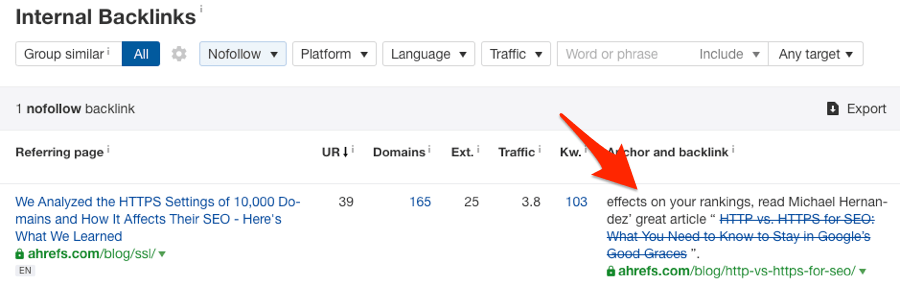
This is necessary since the tools don’t understand the nuances humans are able to, but it’s hard to give an explanation that isn’t totally accurate as well. You can use nofollow on the internal link, and if you don’t want pages like login screens or commons on the blog to show in the search, nofollow is a good way to get this.

In a specific sense, it often means that the comment plugin is suppressing the comment reply links. there’s no good reason to allow for people to link to those pages directly, nor would you want them to show up within the search, so nofollow is a very acceptable way to handle this. The advice is to make sure that you look up the definitions of everything yourself, and think about the purpose of those within the larger scheme of things

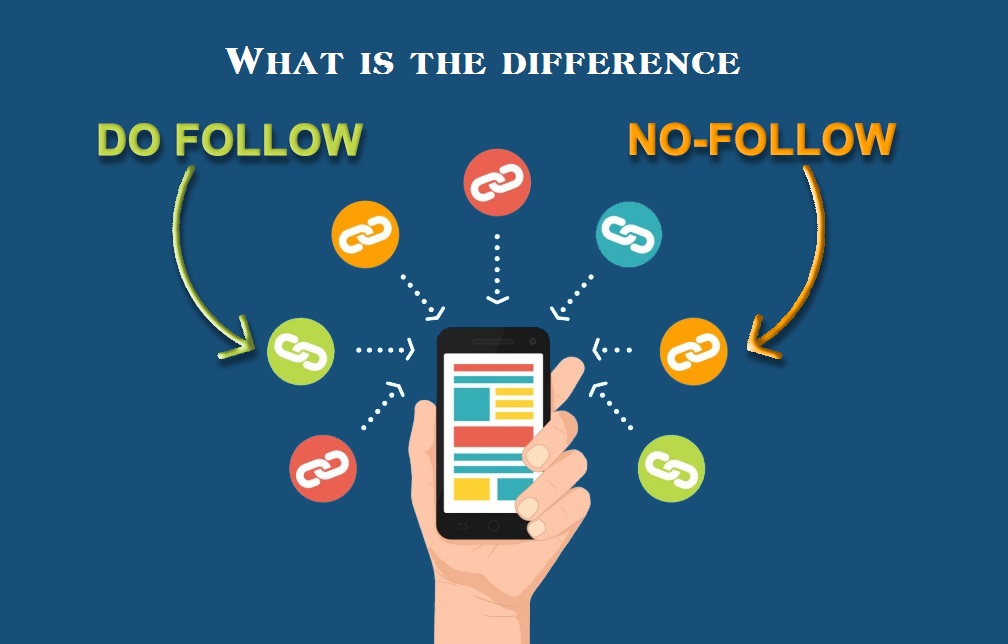
Google did not invent nofollow, but instead, it was a microformat that was used and collaborated on.  It indicates that the referred resource was not linked to the author of the page, and thus the references should not afford the luxury that comes from this or any additional weight.

Now, there are two parts to this, and the first is author o the age, which means that nofollow should be used in blog comments or advertising, where the author is’ responsible for the content that’s linked. Additional weight is the other comment. While SEO pros have become accustomed to the nofollow meaning to not follow the link, because that’s what Google says it means, that’s not the original meaning for this.

So it probably also comes to you as a surprise that these other search engines that aren’t google treat these nofollow links a little bit different than say Google might do.

The main takeaway from this is the following. Nofollow is a useful tool in the SEO toolkit, and it’s something that you should make sure that you have.  The insinuation by this tool provider that using it in the internal links will make google suspect you is clearly not true at all. However, nofollow only works to keep pages out of the search results if you also fill out the noindex command on the destination page, and there aren’t’ any other followable links that are located on the page. it’s important to make sure that you realize this, and you make it so that you’re able to understand the difference, and how each of these different factors that come into this help to impact the SEO of your company. you’ll be able to, with all of this, make sure that you get the most out of your links, and understand what nofollow means.

You’re Not Entitled to Links

Recently, there’s been tension between Google and SEO communities regarding links.  It was the idea that links that are quoted by websites like news organizations are entitled to a follow link. The answer to that is no.  every websites’ TOS should include screenshots of the site, quotes taken from content, and a followable HTML link, because sites will write about you, and they should be linking. But, you’re actually not entitled to links, and many in the SO community do agree with this.  It is definitely something that its important if you want to build repute, so it should be happening.

But there are others that disagree with this since they think that focusing on links is what is against holistic SEO.  The word holistic in this case means something that has multiple parts working together. For example, in SEO it means that ranking well on Google is more than just spamming links, but instead engaging in various Activites that communicate the site or product, and it is what google encourages. Creating content on a news site, with just the mention of the brand, is actually something that falls into this category.

The Google search algorithm is predicted to satisfy users, and there are google tests along with algorithms that determine if they’re showing users what they expect to see in the SERPs, and that’s what the CTR studies are about.  Creating hat expectation in users is often done by being cited without a link, so it makes it difficult for those who want tangible links. The results are that the average SEO loses focus on the prize, and they focus too hard on obtaining links.

The big thing to remember is that while obtaining links is important, and creating awareness is important too, and making sure that this all works together is something that you as an SEO professional need to realize.

However, according to Google requiring a link is black hat.  it’s clear that requiring this is black hat, and it’s because that’s not a real citation. If you force someone to link you, then it’s not an actual citation, and it’s essentially paid for. Paid links are when sites receive a payment from another site, and that’s usually the payment in the form of a link content, quote, or even an image.

Creative Commons doesn’t require a search engine follow link if it has any context with the mentions within a site.  Of particular interest, is that it lets the licensee determine what kind of link that they want to use. If you require a dofollow link, then you’re violating the Google’s guidelines and the creative commons wording that conforms with this.

So, should it be included? Well, it is debatable. Some people think that they should, and some are recommending it in the first place. The biggest thing to remember is to follow the rules, and you don’t want to be accused of some black hat SEO, so be smart.