Outbound Links content Strategy

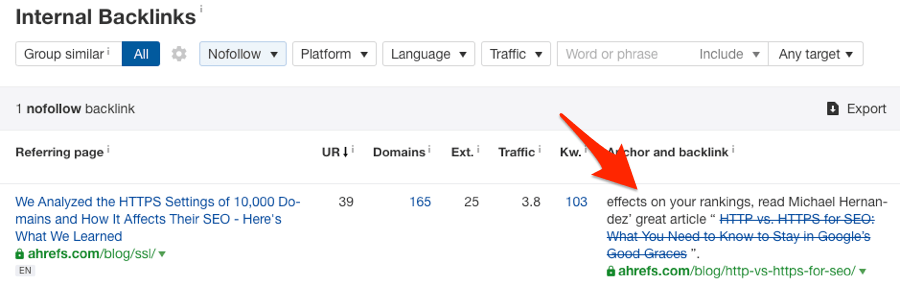
The use of outbound links was originally seen as a nuisance, and people believed that they drained the PageRank score. But, there is a way of doing it that says you should link to high-ranking site, and doing this will allow you to be a leader, and no matter what you do, you’ll want to be seen as one or the other, and outbound links play a role in this.

There are some spam sites that link to other sites since they think the content makes it look normal, but the fact that the links are there may not even play a factor, but it’s the content. Outbound links have been a way to determine what a page is about. When a page links out, it’s going to a different element that tells about what the link is about.  There is some misinterpretation about what these spam sites try to do, especially with the outbound links and the usefulness of them. Outbound links reflect what the page talks about, and you want to make sure that they don’t’ look spammy. There is value in linking out, and there is also value to users for linking out, and this is important to consider when you’re using outbound links for a content strategy. Even if there is no on-page relevance for linking out, you should try to link out especially if you want users to love the web page.
So does linking lead to relevance or rankings? In a sense, yeah it can be good for relevant pages to have this, but you should move that thought away a little bit. Rather than just blandly choosing either a .edu or a .gov page, or whatever you need, you should link to content that is relevant, regardless of if it’s a ranking page or not. 
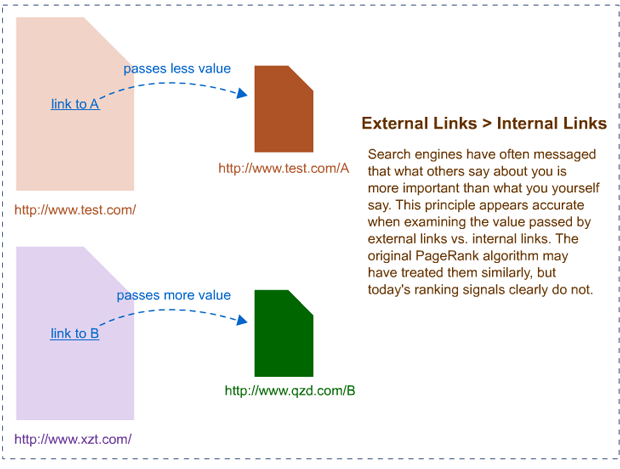
The biggest motivation for linking out in the first place is because you want to send out a good message to other sites, and this, in turn, will also play a part in your general authority.  If you link out, make sure that it matters. I get it, it brings forth SEO motivation, but if you’re just linking out to any old page, it’s going to look poor on your part.  You should look at the motivation of linking out so that you can explore the subtopics of what it’s about without taking your web page off by discussing this said subtopic. You want to generally balance out each of these different factors, and make sure that it looks right. 
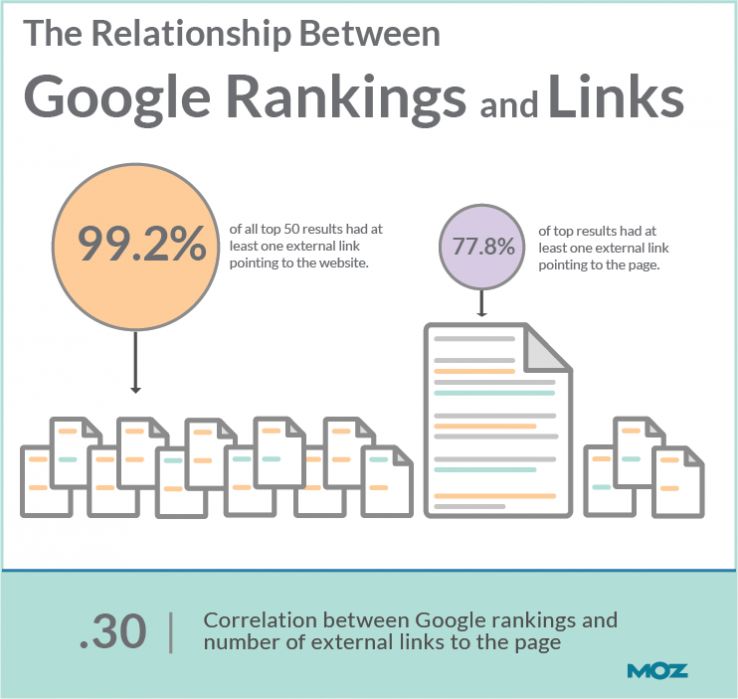
So yes, use links, link out, whatever it is that you need to do, but as always, make sure it’s freaking relevant, because if it isn’t, it’s going to only make you look worse, and it’s going to actually play a factor in the way that you rank. At the bottom of it all, make sure that the content that you have ranks better than it did in the other previous posts as well.
Why AI is the reason for SEO Success

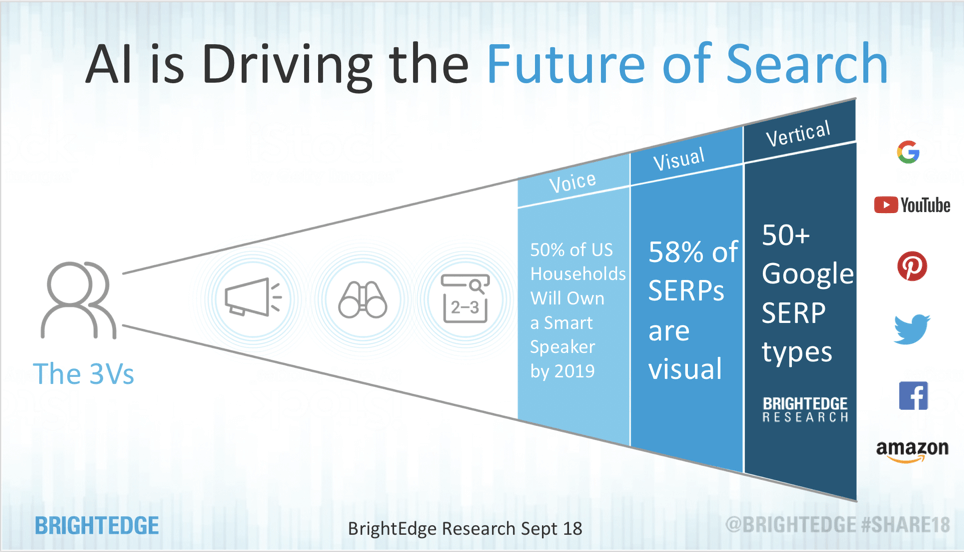
AI is one of the biggest trends in our current marketing atmosphere currently. Originally, we associate this with machinery, robots, and sciences, but now, it’s more familiar. From checking out at the store to even your Amazon order, AI is a part of our everyday society.

AI has changed SEO forever, and machine learning specifically is crucial in how search engines tend to rank pages, so you need to understand what AI is when optimizing for this. 

As you see more and more search engines identifying concepts such as keyword stuffing, backlinks that don’t have relevancy, and quality content, you need to use AI in order to meet the search engine requirements.  But, while you need to play by the SEO rules as needed, using AI for this not only gives you an opportunity to enhance the page rankings but also develop better and more cohesive strategies in order to help with better content.

So what do you need in terms of AI for SEO success? Well, you need AI for your content marketing strategy, since it creates more chances for you to reach the audiences, and also gives you a chance to put together more opportunities inot a better strategy.  It also will allow you to create more cohesive content that leads to SEO wins, and the solutions lie there. For many, using AI to collect this data and customer insights are the key to success in many different fronts.

With AI, you can use demographics, and from there add some influential and match brands in order to help with this. By looking at these sights, you can get the correct content strategy to target these people.

Then there is hyperpersonalization, which is something that captivates customers. Consumers want to feel that companies care enough to create content that focuses on their needs and concerns so that means that SEO and customer success relies on that.  79% of organizations that exceeded their revenue goals used this, so smart personalizations are used to recognize the intent and it can increase your profits by up to 15%.  that’s a lot!

With AI, you can target the specific landing pages that you want for customers, any dynamic content, and then any unique experiences that users can have, based on the data and behaviors of these customers. All of these can lead to some marked SEO success as well. So yes, personalization is a major factor of this. Search engines are recognizing, and from there rewarding those that have figured this out, so that they can have the best results possible, and really get the most out of their search engine content as well.

AI is the future of our world, and it’s something that SEO professionals need to realize is the future that we’ll be facing. If you’re not ready for it, then start to familiarize yourself with this, so that you can get the best results possible from your actions and your activities.

Will Nofollow Links Impact Your SEO

This is a common question that people ask, especially on search engines. But no, it won’t impact the SEO for any search engine, whether it be Google, Bing, or whatever. The problem with this that do SEO is that they tend to surface a ton of false positives.

This is necessary since the tools don’t understand the nuances humans are able to, but it’s hard to give an explanation that isn’t totally accurate as well. You can use nofollow on the internal link, and if you don’t want pages like login screens or commons on the blog to show in the search, nofollow is a good way to get this.

In a specific sense, it often means that the comment plugin is suppressing the comment reply links. there’s no good reason to allow for people to link to those pages directly, nor would you want them to show up within the search, so nofollow is a very acceptable way to handle this. The advice is to make sure that you look up the definitions of everything yourself, and think about the purpose of those within the larger scheme of things

Google did not invent nofollow, but instead, it was a microformat that was used and collaborated on.  It indicates that the referred resource was not linked to the author of the page, and thus the references should not afford the luxury that comes from this or any additional weight.

Now, there are two parts to this, and the first is author o the age, which means that nofollow should be used in blog comments or advertising, where the author is’ responsible for the content that’s linked. Additional weight is the other comment. While SEO pros have become accustomed to the nofollow meaning to not follow the link, because that’s what Google says it means, that’s not the original meaning for this.

So it probably also comes to you as a surprise that these other search engines that aren’t google treat these nofollow links a little bit different than say Google might do.

The main takeaway from this is the following. Nofollow is a useful tool in the SEO toolkit, and it’s something that you should make sure that you have.  The insinuation by this tool provider that using it in the internal links will make google suspect you is clearly not true at all. However, nofollow only works to keep pages out of the search results if you also fill out the noindex command on the destination page, and there aren’t’ any other followable links that are located on the page. it’s important to make sure that you realize this, and you make it so that you’re able to understand the difference, and how each of these different factors that come into this help to impact the SEO of your company. you’ll be able to, with all of this, make sure that you get the most out of your links, and understand what nofollow means.

You’re Not Entitled to Links

Recently, there’s been tension between Google and SEO communities regarding links.  It was the idea that links that are quoted by websites like news organizations are entitled to a follow link. The answer to that is no.  every websites’ TOS should include screenshots of the site, quotes taken from content, and a followable HTML link, because sites will write about you, and they should be linking. But, you’re actually not entitled to links, and many in the SO community do agree with this.  It is definitely something that its important if you want to build repute, so it should be happening.

But there are others that disagree with this since they think that focusing on links is what is against holistic SEO.  The word holistic in this case means something that has multiple parts working together. For example, in SEO it means that ranking well on Google is more than just spamming links, but instead engaging in various Activites that communicate the site or product, and it is what google encourages. Creating content on a news site, with just the mention of the brand, is actually something that falls into this category.

The Google search algorithm is predicted to satisfy users, and there are google tests along with algorithms that determine if they’re showing users what they expect to see in the SERPs, and that’s what the CTR studies are about.  Creating hat expectation in users is often done by being cited without a link, so it makes it difficult for those who want tangible links. The results are that the average SEO loses focus on the prize, and they focus too hard on obtaining links.

The big thing to remember is that while obtaining links is important, and creating awareness is important too, and making sure that this all works together is something that you as an SEO professional need to realize.

However, according to Google requiring a link is black hat.  it’s clear that requiring this is black hat, and it’s because that’s not a real citation. If you force someone to link you, then it’s not an actual citation, and it’s essentially paid for. Paid links are when sites receive a payment from another site, and that’s usually the payment in the form of a link content, quote, or even an image.

Creative Commons doesn’t require a search engine follow link if it has any context with the mentions within a site.  Of particular interest, is that it lets the licensee determine what kind of link that they want to use. If you require a dofollow link, then you’re violating the Google’s guidelines and the creative commons wording that conforms with this.

So, should it be included? Well, it is debatable. Some people think that they should, and some are recommending it in the first place. The biggest thing to remember is to follow the rules, and you don’t want to be accused of some black hat SEO, so be smart.

Three Ways to Evangelize your SEO Content

SEO is very important and it does have a connection to the customer’s voice, and it’s important for content marketers to be creative, and here, we’ll talk about three ways that will get you some converts almost immediately, and why they matter.

First, you have keyword clouds.  Most of the time, people approach this in the old-school way of finding the idea, creating the content, and then ret-con the titles, headers, the USLs, and other elements. Many times, this can be a protracted process, with the SEO team doing the keyword research and optimizing itself independent of the content team. But brainstorming all of these, you’ll be able to look at content topics, and figure out what you want to do with this, until you find an angle that’s unique and compelling, serving as a strong keyword strategy outline for the content piece that is holistic and true to what you’re communicating.

Next, you want the content to last a long time.  Have you ever took the time to look at different blog posts from years ago? It can be strange because it feels like it can be in a ghost town along the website edges. There are some little pockets of content that still get traffic, but most the time, they have the purpose of exercising nostalgia.

You want to look at the content and make sure that you see if the old content is candidates for re-optimization or republication. Reoptimization tends to be more recent, and that’s the kind of content that’s right near the page 1 of the SERO, and they just require small edits and maybe a few changes to strike the keywords. You should also look at those that drop in organic traffic, maybe because of something happening with the SERP.

https://youtu.be/LN7BzPPu1Vo

With republication, you need to see that the content is outdated r the striking distance of the keywords is way outside the subject matter, and you can determine whether this is worthwhile with the team. If the content is misaligned with the current priorities, then you want to add new brand new content.

Finally, optimize the content touchpoints and the user paths.  You need to understand where others are coming from, what appeals to them when they get to where we are, and how to get them what they need. SEO helps with all of this, where you create a content strategy that reflects the behavior of these people.  The clouds come into play here, where you create multiple touchpoints in order to amass engagement.  Basically, what you want to do is look at the different key pieces of content that people are looking at, and from here, set up optimized steps on what to do next, in order to bring people to the site itself.  You want to get the SEO and content experts team of designers to help make sure all of the paths are seamless, and as comprehensive as they can be too.

The Kondo Method for SEO

If you’ve heard of the Netflix documentary called The life-Changing Magic of Tidying up: the Japanese art of Decluttering and Organizing by Marie Kondo, you probably may wonder if you can apply this to SEO. The answer is, you can. There are some great ways to tidy up your SEO so that it works for you, and to get rid of the fluff. Here, we’ll talk about how to do that in an effective sense

First, you want to commit yourself to the prospect of tidying up. From there, you can imagine the ideal lifestyle. In this case, have it be SEO. Next, you finish the discarding first. Then you tidy up by category, not by the location. You want to then follow the right order, and finally, ask yourself if it sparks joy.

So how does that work? First, you want to commit to tidying yourself and your site up, and do a proper SEO audit and implement corrections to the errors that you find. Use resources and tools to give actionable data. If you don’t have the talent or capacity, get the SEO experts too.

For the ideal lifestyle, you want to have a clear vision of the actual success and happiness that you have. Know what keywords work, and have an idea of what the ideal SEO is.

search_engine_optimization

Next, discard the old content, and from there get any irrelevant items from robots.txt and then discard irrelevant pages from the site map. Finally, discard the old items from search indexes, such as for old subdomains and PDF that may be lingering around

you want to tidy this up by the category, not the location of the SERPs, and 3ssentially, you want to optimize by the keyword research, including the meta titles and descriptions, header elements, and the image alt text. You want to make sure that there aren’t any 404s or any internal links that don’t like to the right pages or any subdomains that are wrong.

With this, you want to follow the right order. This should be natural, but you should know the SEO, but also the impact that this creates.

Finally, you want to make sure that it sparks joy. Once you’ve started t change it, look at this and ask yourself if you’re seeing the results, and if yo9u are, is it sparking joy. If nor, you should quit spending time on the tactics that are there, going back to the basics. If you’re pending most of your time putting new content together and aren’t seeing results, you need to reevaluate and go onto the next topic. Content creation is important, but if you’re just cannibalizing, and thee are site issues, it’s not going to help you, so don’t do it.

The Marie Kondo method can be applied to different elements that are out there, not just cleaning your home or office. Here, we talked about how it applies to SEO, and how by doing this, does help you.

Why blog Content is Necessary for eCommerce websites

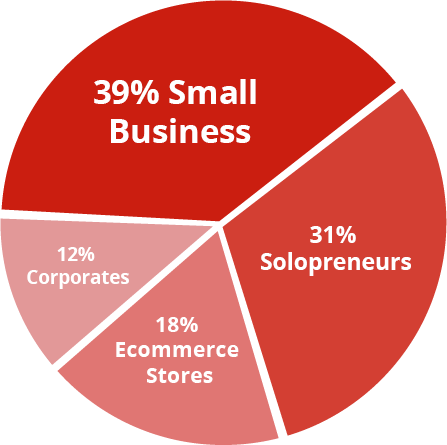
Content marketing is mostly about B2Bs, but if you’re trying to hit the local market, you also need content. This will build trust, authority, and the rankings on search engines, drive the traffic from your search in an organic manner, and from there, build the awareness of the brand and loyalty as well.

It also helps generate leads, and it’s good across all types of business. E-commerce brands can and will get a slice of the pie of this.


Content provides answers, and it will help with those search results. Everyone wants answers, and if you give these answers via blogging, that’s a big thing. If you do it correctly, without selling, it builds trust in other people, and they will want to work with you. Customers, fro there will move to sales much more quickly.

It also increases the site traffic. If you want to get more people to come to your site, you should have bogs, since it will get more indexed pages.  The more pages indexed, the more chances you’ll have better rankings. Every time you public a blog that’s keyword optimized, this creates a path for those looking for keyword related content. This will nurture it, and it can transform into sales.

There is also proven success in blogging for e-commerce sites. Shopify, for example, has given customers information on various content.  They corner the profitable keywords within their blogs, and from there, they will create content related to this. That will in turn drive traffic, and drive conversions. People also read blogs before they buy. This is really important in making decisions for customers. 84 percent of people bought products based on how they’re described in the blogs they read one in four people will buy something based on blog content they’ll read. 46 percent said they read blogs to do the initial investigation of products. So if you think nobody will read it, that’s where you’re wrong.

It is also the number one brand-building activity.  There are reports that talk about how blogging and content are the most major ways marketers are building loyalty. it’s actually at the top of most of peoples minds, and 56 percent of customers are increasing their creation budgets, which is the primary area of spending in 2019.

Blogging however is not a one and done though. it’s something you’ll need to build over time. One blog post ever won’t get you what you want. Ou needs to do it for a long time, researching items, outlining, writing, and finally promoting. It does take a long time to build, but here’s the thing if it’s good, it will climb up the rankings and bring others upwards, creating more ROI.

So remember, when you are blogging, it isn’t just a temporary thing, it’s something that you do over time that will ultimately change the way your business thrives. it’s important to use, and something that, when used correctly, can yield great success.

How to Set realistic SEO Targets for 2019

With the new year upon you, you might wonder how you can set up a good means to achieve your goals this year. Well, you’re in luck, for here, we’ll talk about how you can set realistic SEO goals this year through the use of measuring targets, establishing the benchmarks currently, and creating an action plan.


For measuring targets, you want to look at what you’re currently doing, and the growth, customer expansion, retention, or the churn of lowering. When you look at it, most teams don’t know this, but to get on board with your marketing plan, everyone should know the answer to this. Revenue targets are the most common type of marketing targets that you need to look at. This includes looking at the revenue figures and creating targets and the customers that you want. You want to have all of these numbers in place before you even look at the next step since they are the ones that tell you the truth about what you’re getting from your SEO.

Next, establish the benchmarks. You should know the customer numbers, opportunities, leads, and the visitors that you get, but what percentage of this goal does SEO take on as responsibility. The ability to hit this goal is measured in benchmarks, which determine the brand status.  The SEO share of voice, for example, will tell you how well the bran ranks up based on a fixed set of keywords and topics, and then what percentage does the brand rank on the first page of google. From there, you can use these numbers to create benchmarks and create direct and indirect competitors, helping you to understand the content format types, along with rankings from customers, and the new target channels that are established by customers.

You should look as well to see where the competitors rank, and also any traffic, leads, and opportunities and customers based on each of these channels. You can from here look to see where you’ll end up, and what your current ranking is in your marketing plan as well.

At this point, you also can take the conversion rates, the SERP, and the technical SEO, and from there, you can put together your plan. You should break everything down, creating actionable steps, and you can work with increasing traffic, volume, quality, leads, customer value, and also the quality of customers, but if you don’t have a means to really do this, you’re going to end up not having a lot of success with this. it’s important that, if you’re planning to really do a lot with this, and to really check out what you’re getting from this, you take into consideration all of these factors.

This is the best way to set your goals this year, and if you feel like you’re stuck, you should look at what you currently have, and from there, look to see how this can be bested in the future with this.

How Redirects can Make or Break you

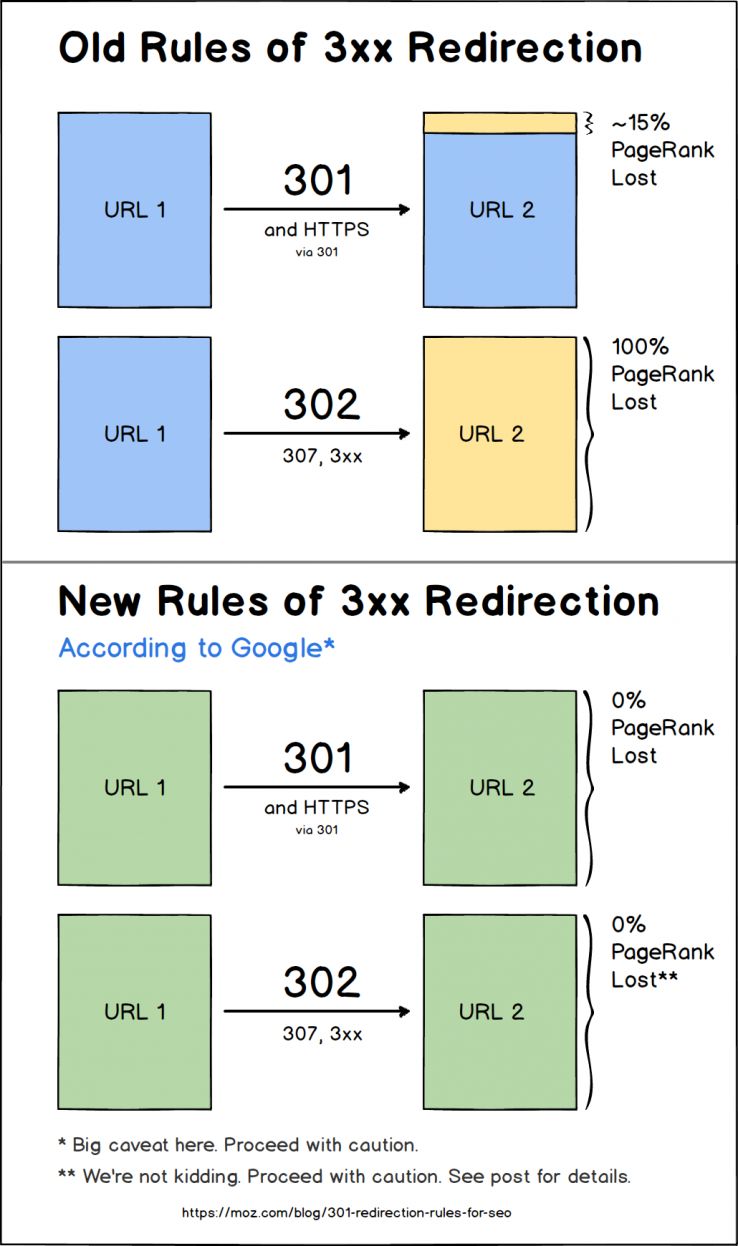
By redirecting correctly, you’ll be able to migrate smoothly, but you need to know of the processes and the rules of redirection. Here, we’ll discuss that and how to set up your URLs successfully.

Migrations are important since they avoid redirection errors, and migration is usually from moving from one point of the site to another.

One example of migration is the CMS moving and the URL format, where it can be typing in a URL, and it doesn’t take you to where you want to go, simply because it might be dated or something.

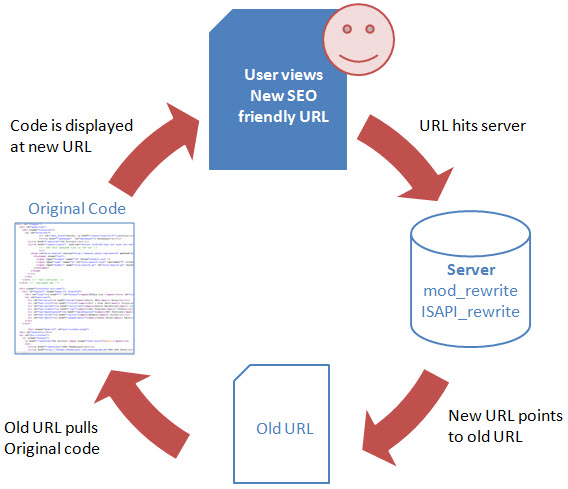
If you change the CMS, sometimes you’ll have more flexibility. If your URLs are structured, you can move it to post or something similar, and moving URLS around will help improve structure and migration.

Also, look at the keywords that you use. Sometimes keywordy or dated URLs can be changed to make them shorter or cleaner, better for humans to read.

Another way to improve this is a content overhaul. If you have a client that comes to you, and you see that their content isn’t giving them the traffic and rankings that they want, sometimes a content audit works, but usually looking at the pages that are redundant, stronger together, and those that don’t serve a purpose, you can filter this out. Sometimes even merging the USL, moving pages about, or dropping them completely will help with this. It can affect how your pages rank, and you want to make sure that you’re doing all of this.

Mistakes do happen with redirects, and if you aren’t touching on this or fixing it, you’re going to have a bad time. For example, unclear ownership does happen if you’re on a bad team or a smaller one that doesn’t know how to handle this. There are situations where the tech will say they can do it, and then they don’t. If it gets dropped, then you can’t take responsibility.

Another reason why this happens is deadlines. Internal and external ones are a big part of this, and sometimes, you may focus on one part of it, but not the other five pages that need redirects, resulting in the migration happening for a singular site, but not for others.

You need to realize that redirects need to be one to one, and not have them go to three pages, but literally just one to one. You should link the URL to one singular location for every single one to one.

With this as well, watch out for loops and redirect chains. You should keep them anywhere from 3-5, and make sure that they aren’t looping back and forth.

Redirects affect your page speed and rankings, and you need to make sure that you can migrate around to the site in an effective manner. By making sure that you’re tacking these aspects, you’ll be able to improve the SEO of the site and help it rank in a more effective manner too.

Mapping SERP Features

Google SERP has a lot of features that help with keyword list creation, and it can help you better understand how to put your topics together in terms of structure. The increase of this in terms of navigation and index has changed the way the web development is. You should look at what features will overlap, and you may wonder how you can change your SEO strategy. Well, read on to find out.

In order to overlap the query space, you want to take a specific word bag approach, and by operating on a SERP-by-SERP analysis, you can see the suggestions and features that are there, filtering stop words, and comparing one to another. By looking at these, you’ll be able to look at the overlaps and the entity overlap between every single feature.

So, there is a lot happening with a few features. 4% of the search suggestions had duplication, so Google is putting a lot of consideration into care into each feature, so you should watch all of them and figure out how to weed out the duplicate content every so often.

Now, the first thing that you’ll want to look at is carousal snippets, which holds the answers to questions thanks to the bubbles that run along the bottom of these. When clicked, the script takes over the snippet and gives a new query. The combination of your original term and text does have a bit of research to it.

The carousal snippet IQ bubbles had the least overlap of the other features since the bubbles typically contained subcategories that live within a higher category level introduced by the search term. It’s a snippet that gives you features and general level, but these bubbles may showcase other distinct keyword suggestions.

There is also the “people also ask” box, which essentially contains four different questions related to the query, and it expands to get the links that Google has pulled from other sites. These are great for long-tail keywords and are awesome for content inspiration so you can target these keywords.

Related searches is another place, and you’ll notice that when you click on them, you’ll see little duplication with the SERO features, which means that they’re oddly unique, and they’re shorter and more iterative of the query originally used, while still staying on topic.

Then there are the people also search for, which allows for after clicking on an organic result and then going back to the SERP page, and there are either 8 or six of these.

These features allow you to utilize different ideas, and it can be used for keywords as well. Google might be running out of different names for them, but understanding the topic hierarchies is important for narrowing out the queries you want to tackle, and by understanding the SERO suggestions, you can work to tackle each of these, and make sure that you’re throwing content that does work with good duplication onto this, no matter what too.