Tips for a Successful Local SEO Campaign

It is a no-brainer that the main purpose of any SEO campaign is to get the business website ranked against the related keywords. Now, larger companies do not care much about the local SEO since they work in a wider domain. And so, they do not have to work on the local SEO.But this form of SEO is quite important for the startups and small companies who do not operate beyond the boundaries of a specific locality.

https://youtu.be/_2P-l57clHg

In this article, we will discuss the tips for successful local SEO.

Optimizing site for the local search

The first thing that you will have to do is to optimize your site for the search traffic. If you have handed over this task to an SEO agency, they would be working on this task already. And if you want to do it by yourself, you will have to work on the following aspects.
  • You may already know that there is a title and description that appear on the SERPs when you search for a query. These are the title tags and Meta description. You have to make sure that you optimize this set of information well.
  • After your visitors have clicked the link of your site on the SERP, they are going to look for the information. You have to make sure that you have published highly optimized and useful content on the web pages.
  • While creating the page titles, do not limit the titles to the names such as “Furnace Repair”. Rename that title to “Furnace Repair in Saratoga Springs, NY”. Since you are optimizing the site for local traffic, you need to target the local audience.

Submitting NAP to local directories

In case of local SEO, you will have to keep in focus the directories which allow submission of local businesses. The information that you need to enter in those directories is known as NAP, an abbreviation of Name, Address and Phone number. While online interaction has increased generally, people still like to walk physically into the local stores and businesses to buy products and services. Therefore, it is important to provide customers with the contact information they could use for offline purchases.

Claim local listings

To dominate in the local SEO, you will need to claim the local listings in well-known websites. This listing submission may sound similar to NAP submission but it is not the case. Claiming a listing allows your customers to leave reviews about your business on third party trusted platforms such as Yelp, Yahoo, and Google My Business.

Optimize your site well

While you do not face tougher competition in the local SEO in a way like in the regular SEO, you still need to make sure that your website is fully optimized. For this purpose, you will have to work on the on-page elements as well as off-page aspects.

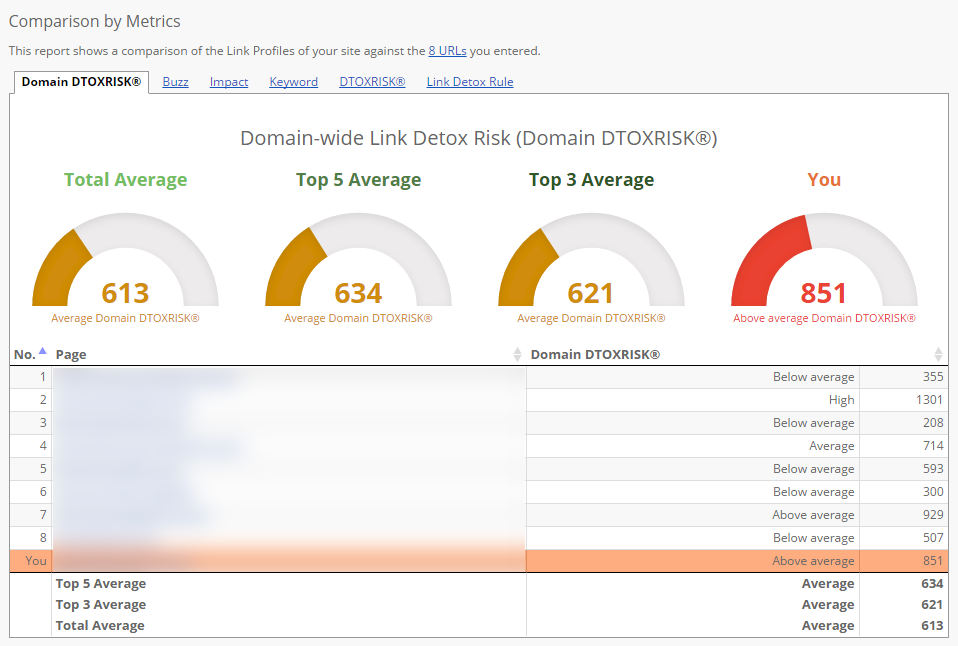
Spying On Your Competitors to Find Link Opportunities

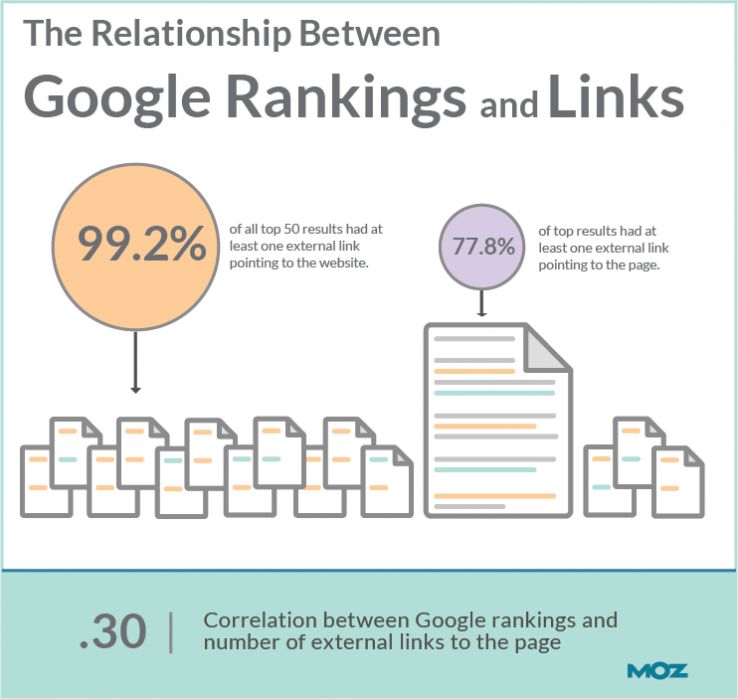
Link building is the most important practice of SEO, and it can turn out to be the most challenging one. The purpose of link building is not to spread the link to get traffic. It is more about linking your site with the trustable sources to get the authority of your website enhanced.

Finding link opportunities and working on them can be a tough ask if you do not have much time. In this scenario, it could be a good idea to spy on your competitors to see what link opportunities they are using.You will have to see how and where your competitors are getting links from. This way, you may be able to build relationship with the sources of your interest.

The competitive link analysis

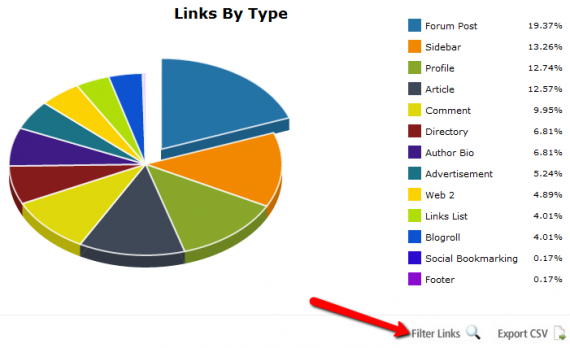
Competitive link analysis mainly involves use of sophisticated software to get competitor’s backlink data. This data is then sorted by link builders in order to find any link opportunity. In this scenario, there are a couple of ways that can be considered in order to approach the competitive link building.

  • Create a webpage which should be better than your competitor’s.Then you will need to reach out to the domain get your link included on their website.
  • Find dead or redirected pages on your competitor’s website and report it to the domain. Then you can offer the links of your webpages as an alternate.

If you want to choose competitive link analysis here, you will have to keep in mind there is going to be a lot of manual work regarding reaching out to the link opportunities. And the success rate may differ based on the type of link.

Competitor link analysis benefits

Competitor link analysis is the first strategy that most of the businesses work on and there is a reason for it. Depending on the industry, some businesses rely on the resource content or product pages. And it becomes important to know what your competitors have done to compile links in a given industry. This way, you can get a roadmap to move forward.

There are great chances that if a website has linked to a similar type of content in the past, it is going to do it again. These links are not only easy to acquire but these are usually the highly relevant links.

Moreover, the competitor link analysis can be a viable to strategy to fill the keyword gap between your competitor and you.

Acquiring links through competitive link analysis

Competitive link analysis is a step-by-step process through which you can acquire links.

  • First of all, you will have to extract the backlink profiles of your competitors. You can do it with the help of tools such as SEMrushandAhrefs. You can download the data in CSV format.
  • After downloading the data, you will need to organize the spreadsheet by opportunity. This organizing of the spreadsheet is a matter of seconds.
  • Look at the competitor’s content and see what type of content they have published to get the valuable links. You will need to write better content from your competitors.
  • Finally, you will need to reach out to the link sources to get your webpages linked to them. If you have done the above-mentioned homework well, you are definitely going to get the links.

The Problem with Translating Keywords

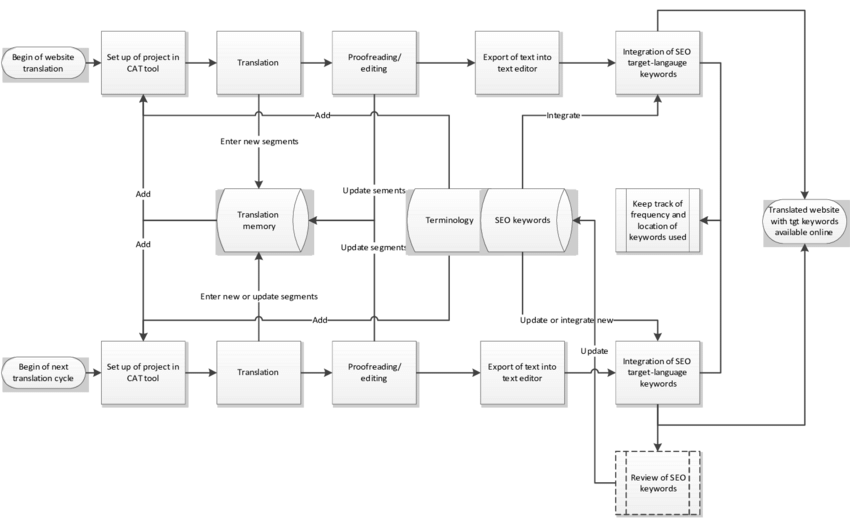
The translation automaton relies on written language, but usually, it impacts the speech for these keywords, and it shouldn’t be overlooked.  You should make sure that you understand the nuances of this, and how it can impact it. Some say that you should never translate the keywords, but the reason for this is because of how the automaton that’s there with learning.

You shouldn’t use any system to translate these keywords since that will completely screw you over.

Why is that? Well, let’s look at the initial definition of a keyword.

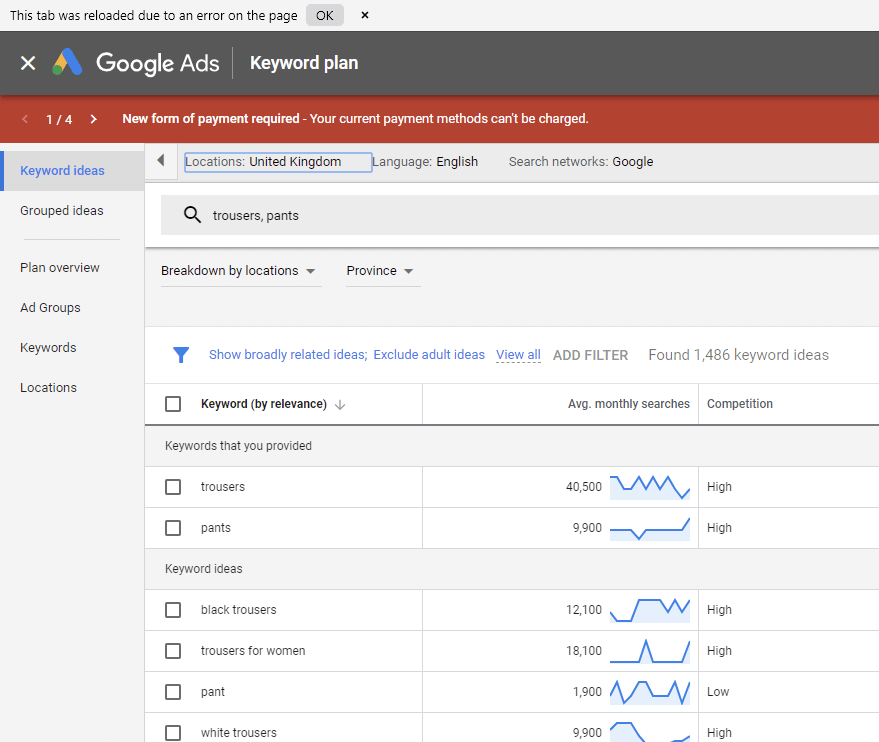
A keyword is a concept that someone uses for an answer in their mind, and from there, you commit the keyword with text, or even speech to a search engine in order to get an answer to the query.  You may notice how voice search and the impact of speech is handled here.  You may want to also look deeper into the word translate, which is the most confusing part, and a translation is a conversion of the meaning of the words or phrases in the keyword to other languages, using different translation systems, dictionaries, or knowing the language.  Why is this a problem, well, let’s talk about the different types of English. Some people may use different words to describe items. For example, pants in American English are well trousers, but in British English, they mean underwear.  This can have different variants, and you’re going to definitely have this issue with variations, whether you’re working with a whole different language, or different English language variants. There are so many different variations of this, and translation can go off tangent and nowhere near the intended meaning if you’re not careful.

Another is hood.  Hood in America can mean the hood of the car, while in British English it can mean a bonnet.  This can be a whole lot of trouble for you.

There is also the problem with different languages, and how they relate in the different history of this.  For example, in Spain, you actually use different acronyms to communicate the domain.  You definitely want to make sure that you are careful, cause this can also cause issues with homonyms.  If you’re using voice translation, this can be quite cumbersome.

Languages get words from their histories, typically from Latin or other major languages. Speakers that use the keywords do make them up, and that means that the search engine users are making up the keywords, and they are using words that they think are right, and search engines will train to adopt this.  You have to be careful since voice search can make the translation of these keywords less likely to be successful.

Translation systems and automaton are not perfect, and lots of times, you may not even realize how the nuances affect it.  You should, if you’re going to translate keywords, not use a system, but instead call upon a native speaker to help you generate the keywords that you may need.

On Domain Penalties that Won’t Expire

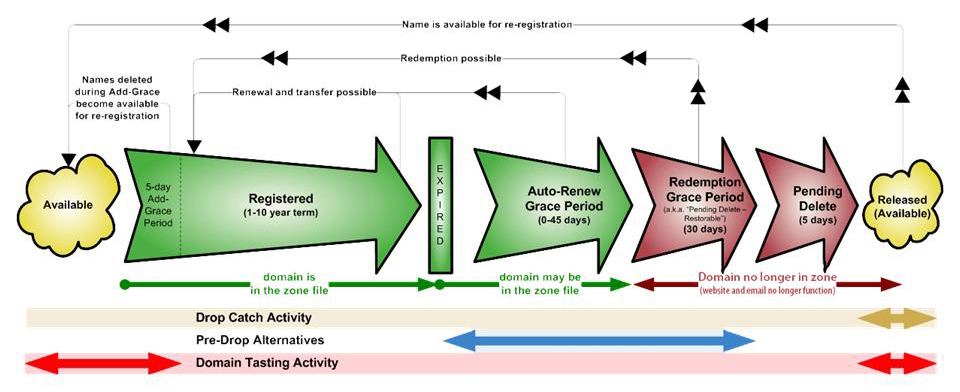
This is a peculiar situation where there were zero notifications of manual actions that rank for the brand name.  This can be a problem, and you may wonder why Google is keeping it from ranking, and it’s a problem that’s existed for a while. it’s essentially a penalty that’s associated when there is a domain that’s there even if it’s registered by a new buyer years later.

There are cases where you don’t’ get the notification that there is a penalty, especially if you just bought it. The site may have natural links due to word of mouth, but it cannot rank for even a snippet of the content.  What is the problem at this point? 

It may not be a problem with Google, but there might be other reasons.  it’s possibly something that was ranking from a long time ago.  For example, if you look at the archive, it might be linking to content that wasn’t ranking, but then tried to link to content that did rank. A domain that’s parked is a domain without a website, it just has ads. People used to do this to monetize the traffic, but nowadays that’s something that isn’t allowed, and it can blacklist the site, keeping it from ranking. 

These penalties have existed for a while, however. this has happened a lot over the years, and it used to be a standard to check the background of the SEO before you got it.  Another SEO that actually knows about this could actually get the legacy domain penalty lifted too.

There are search queries that the site owner uses to rank for being generic, and the ranking can be kind of hard with this too. It can be tricky. But if it’s not relevant to the brand name, and referring to the generic nature of the domain, it can possibly play into the problem.

There is also the fact that the site may be poorly optimized too. If you visit the site, you may not even notice that collective is there, and you may have an image and text in order to be recognized. If you omit your brand name from the home page of the website, you’re going to have issues with rank.

If the name isn’t in the page itself, chances are it won’t rank.

But, if you take content from a page that’s actually just a snippet from this domain, it won’t even rank it. So, if the site is fully indexed, the content itself won’t rank, due to the penalties.  This is definitely something that you should realize, and you should always check the archives.

So yes, previous domains, even when you buy them and completely rebrand everything, do play a big part in the overall success of the site. If you’re not careful, you’ll want to make sure that you do take the time to learn this, since it will in turn help with the ranking and benefits of the site.

PPC Generation Tactics

Not every customer is ready to buy, and most don’t want to talk to salespeople once they visit the site, but, they may be cool with exchanging contact information from the place if they get a resource. But, as competition for the bottom attention funnel grows, you need reaching strategies that work. You need to look at the people at all stages, especially those who are researching, but not ready to pay for your service or product yet.  here are some generation tactics that you can use in order to promote your PPC Campaign.

First, are newsletters. Email and newsletters are great at reaching prospects, and almost 90% of people prefer email for communications, so if they sign up for a newsletter, they are interested. Signing up also requires less commitment than talking to sales, or even a demo. This is also good because they’ll want to stay up to date on what is going on, potentially becoming customers in the future.

There is also an asset download. These include eBooks, whitepapers, infographics, data sheets, and case studies, and you can target the top-of-funnel keywords in order to point the users to asset downloads instead of immediate sales conversion.  Plus, people like free stuff, and they’ll get more information on your business while still potentially committing to it. They not only can point to the landing page, but you can also use lead generation forms such as those for LinkedIn or Facebook in order to get information from users, and this is a great way to get the links to your assets, which in turn will build your PPC.

Then there are webinars, which are a good way to get content, and this allows you to speak about your business for those who are interested but don’t know if they’re ready, and it does beat reading through whitepapers.  It can be audio-only, or videos, one-time events or maybe a monthly thing.  Whatever it is, this is a good way to get a lot more interest, because people will be more interested in listening to you, and this can gauge interest a whole lot more.

Finally, consider online assessments.  This is a good way to get the right idea of the type of audience that’s interested in you.  This can be a multiple-choice quiz, a fill-in-the-blank one, or whatever.  You can also make it so that users get a good idea of what they are.  You can also list the number of questions and the time to finish it and make sure that you ask questions that are both a combo of fitting properly in the business, but also not deterring them from actually completing this. it’s a good mix of both of these, and if you’ve been curious about both of these, then definitely consider this.

This is a great way to gauge interest and understanding of a business, and here, you can learn about each of these, why they matter, and other important aspects of them too.

Is Link Building Dead

Link building used to be plagued by so many black-hat tactics including link farms paid link schemes and also hiding the links and spammy content, but after the Penguin update in the Google algorithm, it’s more focused on the quality content and the white-hat tactics that go along with it. But, that doesn’t mean that the debate is over. Some SEOs do think that it’s over, and any form of link building doesn’t work, and the best way to do it is to not do it. Others say that it’s a valuable and legitimate strategy if used correctly.

Well, it depends on who you talk to. Some have a contentious attitude towards this, and that’s because it may not even add value to the site.  Some old SEO advice that you write content for may not be generated for users, but instead link building and the search engine.  You shouldn’t build your links because you think they’ll bring a value, but you want to build these links to drive the targeted traffic.

You should look at some of the link building practices that look spammy, and how the rise of “arbitrary metrics” have blurred the link between what works, and what doesn’t.  You should also look at the fact that lots of times, internal linking is limited, and you should be investing in the content, rather than the link building.  The argument of that it doesn’t work is usually focused on building a better user experience, and be obsessive about the matching user intent, and the ultimate goal of that is genuinely to provide a result that’s good, and you should always, no matter what, aspire to be the authority in the field, and it’s better to earn than to build.

But, some people like to have links to build and distinguish the high-quality content in these competition niches.  The problem is that a lot of it isn’t seen, and if you don’t reach out directly or socialize, you’re missing out on linking.  You should look at how you secure these, and you can figure out, via networking, how you can build links into content that you already have, and how you can prevent people from missing out on your links.

Building links are something that, if you do choose to use this type of means to generate support, should be done in a way that is organic. Don’t’ try to farm links from anyone and everyone. Instead, you should make sure that the links you’re building are real, authentic, and actually generate a good result form this.

So are they bad? Not necessarily. Lots of people do believe that they are doing the right thing with linking, but if you’re creating spammy content and bad links, you’re pretty much shooting yourself in the foot, so always make sure that if you do choose to link, you do it in a way that not only benefits you but the other users of the site too.

Outbound Links content Strategy

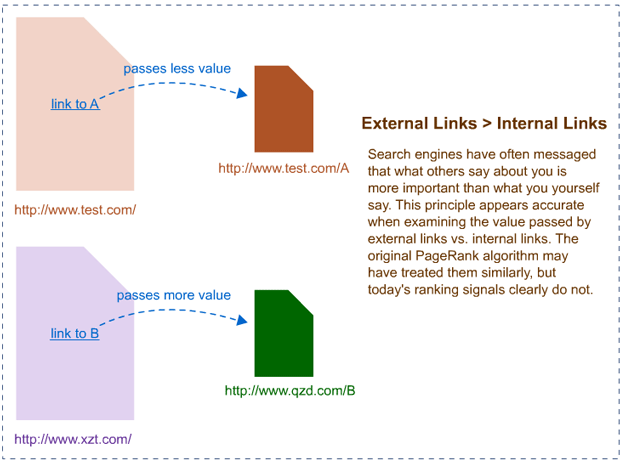
The use of outbound links was originally seen as a nuisance, and people believed that they drained the PageRank score. But, there is a way of doing it that says you should link to high-ranking site, and doing this will allow you to be a leader, and no matter what you do, you’ll want to be seen as one or the other, and outbound links play a role in this.

There are some spam sites that link to other sites since they think the content makes it look normal, but the fact that the links are there may not even play a factor, but it’s the content. Outbound links have been a way to determine what a page is about. When a page links out, it’s going to a different element that tells about what the link is about.  There is some misinterpretation about what these spam sites try to do, especially with the outbound links and the usefulness of them. Outbound links reflect what the page talks about, and you want to make sure that they don’t’ look spammy. There is value in linking out, and there is also value to users for linking out, and this is important to consider when you’re using outbound links for a content strategy. Even if there is no on-page relevance for linking out, you should try to link out especially if you want users to love the web page.

So does linking lead to relevance or rankings? In a sense, yeah it can be good for relevant pages to have this, but you should move that thought away a little bit. Rather than just blandly choosing either a .edu or a .gov page, or whatever you need, you should link to content that is relevant, regardless of if it’s a ranking page or not. 

The biggest motivation for linking out in the first place is because you want to send out a good message to other sites, and this, in turn, will also play a part in your general authority.  If you link out, make sure that it matters. I get it, it brings forth SEO motivation, but if you’re just linking out to any old page, it’s going to look poor on your part.  You should look at the motivation of linking out so that you can explore the subtopics of what it’s about without taking your web page off by discussing this said subtopic. You want to generally balance out each of these different factors, and make sure that it looks right. 

So yes, use links, link out, whatever it is that you need to do, but as always, make sure it’s freaking relevant, because if it isn’t, it’s going to only make you look worse, and it’s going to actually play a factor in the way that you rank. At the bottom of it all, make sure that the content that you have ranks better than it did in the other previous posts as well.

Why AI is the reason for SEO Success

AI is one of the biggest trends in our current marketing atmosphere currently. Originally, we associate this with machinery, robots, and sciences, but now, it’s more familiar. From checking out at the store to even your Amazon order, AI is a part of our everyday society.

AI has changed SEO forever, and machine learning specifically is crucial in how search engines tend to rank pages, so you need to understand what AI is when optimizing for this. 

As you see more and more search engines identifying concepts such as keyword stuffing, backlinks that don’t have relevancy, and quality content, you need to use AI in order to meet the search engine requirements.  But, while you need to play by the SEO rules as needed, using AI for this not only gives you an opportunity to enhance the page rankings but also develop better and more cohesive strategies in order to help with better content.

So what do you need in terms of AI for SEO success? Well, you need AI for your content marketing strategy, since it creates more chances for you to reach the audiences, and also gives you a chance to put together more opportunities inot a better strategy.  It also will allow you to create more cohesive content that leads to SEO wins, and the solutions lie there. For many, using AI to collect this data and customer insights are the key to success in many different fronts.

With AI, you can use demographics, and from there add some influential and match brands in order to help with this. By looking at these sights, you can get the correct content strategy to target these people.

Then there is hyperpersonalization, which is something that captivates customers. Consumers want to feel that companies care enough to create content that focuses on their needs and concerns so that means that SEO and customer success relies on that.  79% of organizations that exceeded their revenue goals used this, so smart personalizations are used to recognize the intent and it can increase your profits by up to 15%.  that’s a lot!

With AI, you can target the specific landing pages that you want for customers, any dynamic content, and then any unique experiences that users can have, based on the data and behaviors of these customers. All of these can lead to some marked SEO success as well. So yes, personalization is a major factor of this. Search engines are recognizing, and from there rewarding those that have figured this out, so that they can have the best results possible, and really get the most out of their search engine content as well.

AI is the future of our world, and it’s something that SEO professionals need to realize is the future that we’ll be facing. If you’re not ready for it, then start to familiarize yourself with this, so that you can get the best results possible from your actions and your activities.

Will Nofollow Links Impact Your SEO

This is a common question that people ask, especially on search engines. But no, it won’t impact the SEO for any search engine, whether it be Google, Bing, or whatever. The problem with this that do SEO is that they tend to surface a ton of false positives.

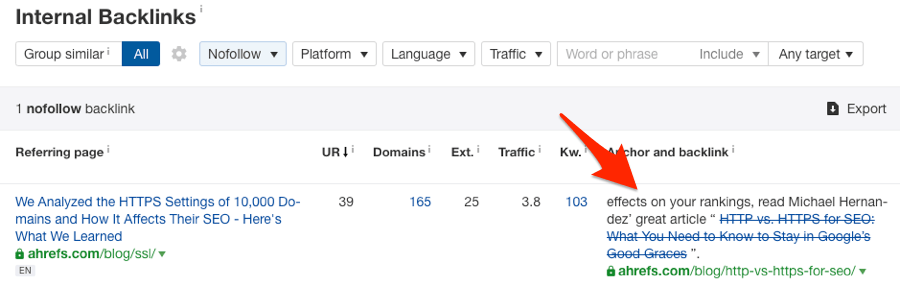
This is necessary since the tools don’t understand the nuances humans are able to, but it’s hard to give an explanation that isn’t totally accurate as well. You can use nofollow on the internal link, and if you don’t want pages like login screens or commons on the blog to show in the search, nofollow is a good way to get this.

In a specific sense, it often means that the comment plugin is suppressing the comment reply links. there’s no good reason to allow for people to link to those pages directly, nor would you want them to show up within the search, so nofollow is a very acceptable way to handle this. The advice is to make sure that you look up the definitions of everything yourself, and think about the purpose of those within the larger scheme of things

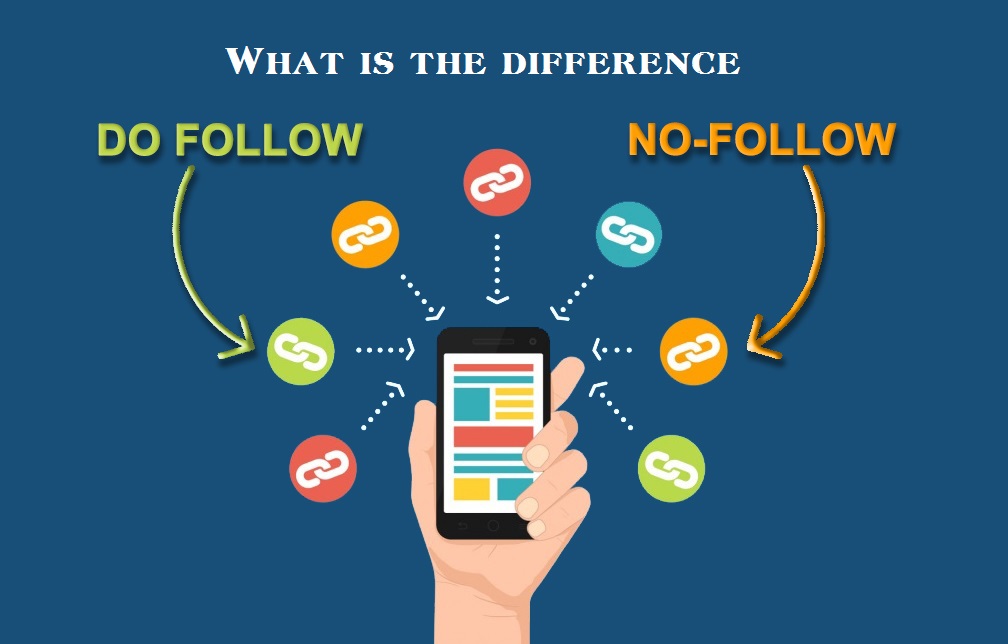
Google did not invent nofollow, but instead, it was a microformat that was used and collaborated on.  It indicates that the referred resource was not linked to the author of the page, and thus the references should not afford the luxury that comes from this or any additional weight.

Now, there are two parts to this, and the first is author o the age, which means that nofollow should be used in blog comments or advertising, where the author is’ responsible for the content that’s linked. Additional weight is the other comment. While SEO pros have become accustomed to the nofollow meaning to not follow the link, because that’s what Google says it means, that’s not the original meaning for this.

So it probably also comes to you as a surprise that these other search engines that aren’t google treat these nofollow links a little bit different than say Google might do.

The main takeaway from this is the following. Nofollow is a useful tool in the SEO toolkit, and it’s something that you should make sure that you have.  The insinuation by this tool provider that using it in the internal links will make google suspect you is clearly not true at all. However, nofollow only works to keep pages out of the search results if you also fill out the noindex command on the destination page, and there aren’t’ any other followable links that are located on the page. it’s important to make sure that you realize this, and you make it so that you’re able to understand the difference, and how each of these different factors that come into this help to impact the SEO of your company. you’ll be able to, with all of this, make sure that you get the most out of your links, and understand what nofollow means.

Video and Ad marketing goals and the best way to achieve them.

When you’re new to video advertising, there are a lot of questions, and you may wonder what are the main goals? Well, here we’ll talk about the top goals that you should have, and how you can achieve them.  The questions that you might have will vary, and here, we’ll focus on the goals that matter, and how you can achieve them.

First, you’ve got to dip your toe in the water. This is getting comfortable with it, similar to after running a campaign or two, where they want to ramp things up a bit, or maybe step back. Remarketing is the best approach, and if you d it with, you’ll see results without the huge budget.

Remarketing in video advertising is essentially targeting people that have interacted with the company, either via the website, app, watched a video, or shared contact information, and you want to remarket visitors in sufficient volume, and you can further target the leads that lead to conversions, and you’re targeting people that have a relationship with you.

Next, you may want to build brand awareness, and this is the next step after the first. You will want to target them with detailed demographics, and the affinity audiences. Detailed demographics will showcase common traits that you should work to target. Affinity audiences are similar and that’s the pre-defined categories that Google already has, such as banking and finance, beauty and wellness, or whatever.  They can be broken down, but regardless of what you choose, you want to be reasonably robust because the targeting tends to be broad, and you want to make sure that you get the ones that fit with business to consumer, or business to business.

If the goal is to reach those who buy the product or service that you offer, then you want to use in-market targeting, where the ads are presented to those who actively research and compare the products. Google also takes the account clicks on ads and subsequent conversion, and they look at the content of the sites and pages, along with frequency and how recently they happened.  The audience for this is pre-defined, and many use B2C or B2B business strategies.  This is a good type of targeting since it reaches people that express interest.

Finally, you’ve got the goal to tempt the customers that your competitor has. You can use custom affinities for this, where you can tailor the affinity audience to a singular brand, such as including the URLs of the competitors, and you can look at the companies that are competing in order to get people to look at your brand. This is a great way to give video ads that will be to the same people, especially competitors, and it’s a way as well to target relevant groups without audience definition.

Using your ads and video campaigns wisely will allow you to do so much more, and it can definitely help.