The Kondo Method for SEO

If you’ve heard of the Netflix documentary called The life-Changing Magic of Tidying up: the Japanese art of Decluttering and Organizing by Marie Kondo, you probably may wonder if you can apply this to SEO. The answer is, you can. There are some great ways to tidy up your SEO so that it works for you, and to get rid of the fluff. Here, we’ll talk about how to do that in an effective sense

First, you want to commit yourself to the prospect of tidying up. From there, you can imagine the ideal lifestyle. In this case, have it be SEO. Next, you finish the discarding first. Then you tidy up by category, not by the location. You want to then follow the right order, and finally, ask yourself if it sparks joy.

So how does that work? First, you want to commit to tidying yourself and your site up, and do a proper SEO audit and implement corrections to the errors that you find. Use resources and tools to give actionable data. If you don’t have the talent or capacity, get the SEO experts too.

For the ideal lifestyle, you want to have a clear vision of the actual success and happiness that you have. Know what keywords work, and have an idea of what the ideal SEO is.

search_engine_optimization

Next, discard the old content, and from there get any irrelevant items from robots.txt and then discard irrelevant pages from the site map. Finally, discard the old items from search indexes, such as for old subdomains and PDF that may be lingering around

you want to tidy this up by the category, not the location of the SERPs, and 3ssentially, you want to optimize by the keyword research, including the meta titles and descriptions, header elements, and the image alt text. You want to make sure that there aren’t any 404s or any internal links that don’t like to the right pages or any subdomains that are wrong.

With this, you want to follow the right order. This should be natural, but you should know the SEO, but also the impact that this creates.
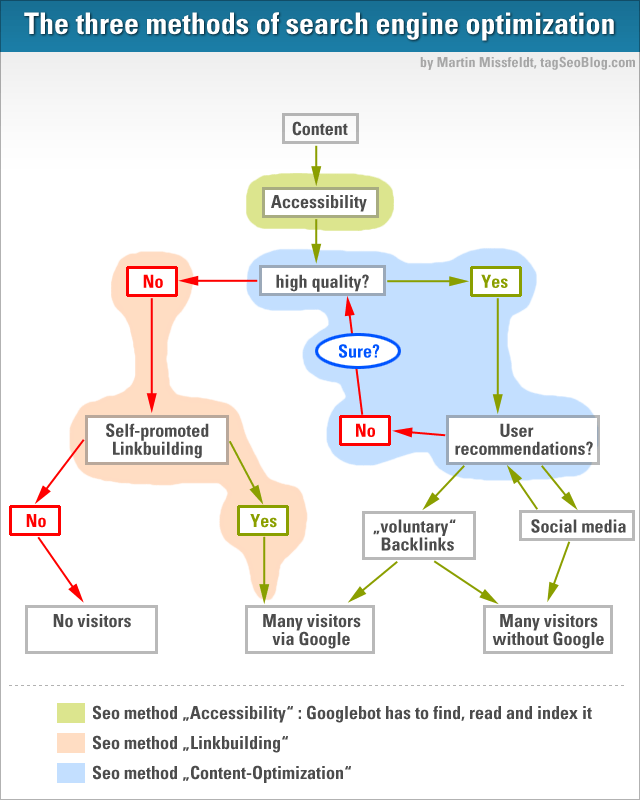
Finally, you want to make sure that it sparks joy. Once you’ve started t change it, look at this and ask yourself if you’re seeing the results, and if yo9u are, is it sparking joy. If nor, you should quit spending time on the tactics that are there, going back to the basics. If you’re pending most of your time putting new content together and aren’t seeing results, you need to reevaluate and go onto the next topic. Content creation is important, but if you’re just cannibalizing, and thee are site issues, it’s not going to help you, so don’t do it.
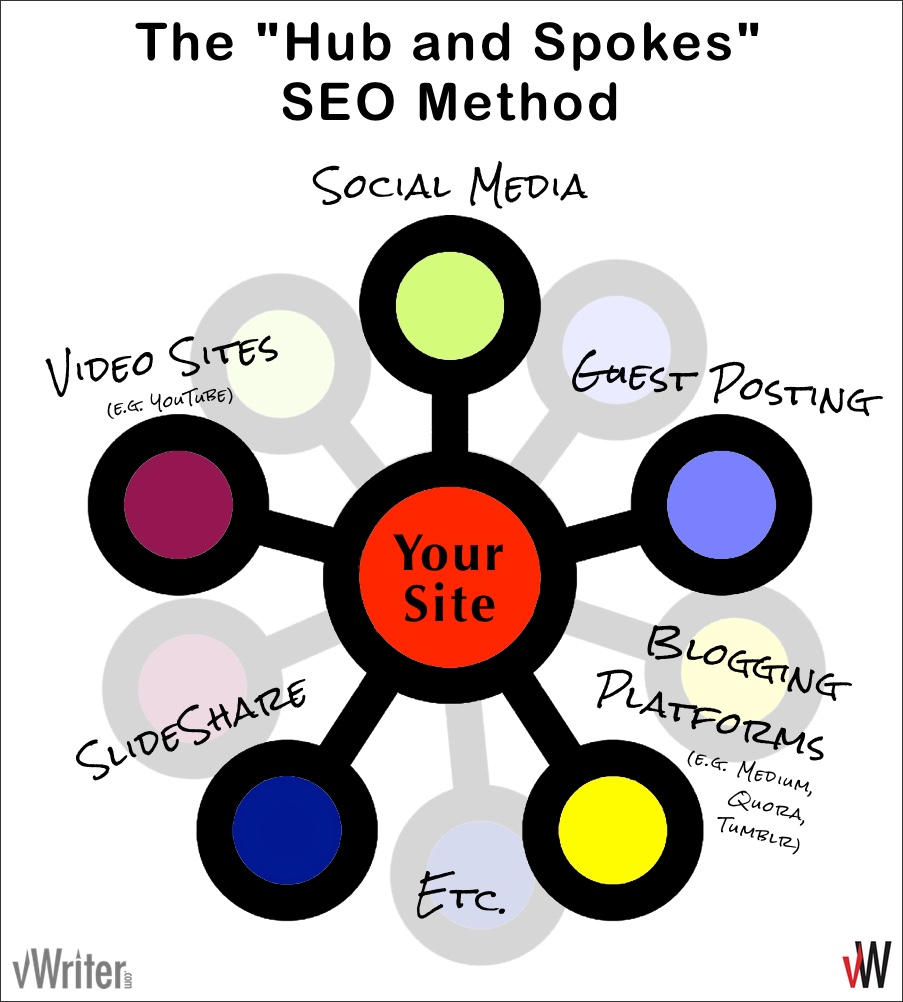
The Marie Kondo method can be applied to different elements that are out there, not just cleaning your home or office. Here, we talked about how it applies to SEO, and how by doing this, does help you.

Article Vs. Category Page, what should be Focused on?

This is a common question, and people tend to wonder if they should focus on articles period or category content. Ultimately, the answer does depend on the intent of searchers. Google typically favors the article content over the category and product content, but the article content tends to be a bit more balanced, helpful, better, and more updated. Google also tries to anticipate what the searcher is looking for in terms of queries.

The problem is, if you’re going with generic keywords, it could mean reviews, how-to, busying a product, streaming, how to convert something, or whatever. There are generic keywords that don’t hit on the content as well as others.

For example, you may realize when you’re searching for a movie, Google will assume that you want movies near you, reviews that are happening, and if you want anything bigger, you’ll have to edit the query. But, if you’ve got a lot of movies on google play, it’s possible that Google will change the search so that you can get movies to help you download. You should determine at this point what will get you the content that you need, and what you want to offer, and optimize this accordingly. You’ll realize that the category pages compel as an action more than the article pages.

So yes, the categories that these are put in matter a whole lot. After all, that’s what people are going to use to search for various items. But, if you’re looking to better your own personal search health, you also need to develop content, and from there, have it rightfully indexed to the correct categories. If it’s not, you’re going to end up with pages that won’t be able to be easily found, and you’re going to end up getting lost in the shuffle of different pages, which isn’t good for anyone.

that’s whee, indexing the pages with the correct keywords plays a part in. The thing is, with generalized terms, you’re going to get a boatload of different items that tend to not be of help to the user. If a user wants to find something, they will definitely make sure that they put it in as much of a descriptive nature as possible. You’ll be amazed at the difference a little bit of describing makes, and if you’re looking to develop some of the items, you’ll be happy with the results that you get from this, and in turn, build a better, more rewarding success that you’ll enjoy.

The key thing to take from this, is to start to put categories together, and really, while articles are great, if they’re not really properly categorized, you’re going to run into the issue of you’re unable to find something, or you’re not ranking on the pages that you have, since you’re going to have issues otherwise. So make sure that the keywords are attached and made correct, and you’ll be able to create a difference.

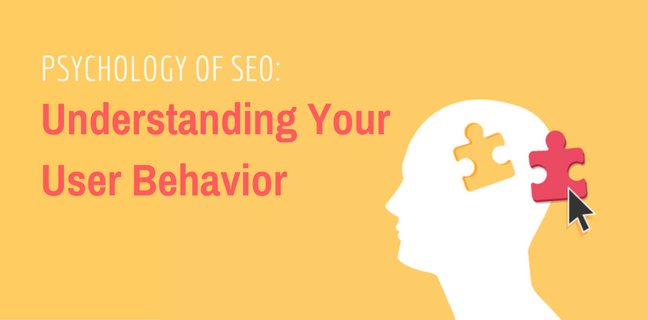
Psychology in SEO

The main task of a marketer has not changed over the years, and with the digital revolution happening, more technology has been brought to the forefront, but we are ultimately in a communication game.


Those marketers that are successful understand the audience motivation, and how to persuade others into taking the correct actions, which is true in the arena of searchin.g. the average relationship with customers and search engines has changed, which involves searching now, and the process of “micro moments” that are built entirely on this.

The game here is to fulfill the “age of assistance” where the need is fulfilled via the electronics and software.  Serch isn’t a niche or discipline, but it’s ambient, dependable, and is connected to consumers through a range of intent states every day. For search marketers, the holy grail is to give good experiences to the customer through loyalty.

Keyword stuffed content doesn’t work in this, and the technology has helped us build that gap, and help to create a new, more innovative means of the potential of psychology, and how we understand the audience and develop things further.

The marketers that excel are those who understand both the strengths within technology, and people as well, allowing them to use technology in the areas they want to perform, using the base t bring forth and extend the capabilities. it’s been called extended intelligence, which is how it plays a beneficial role.  Sensationalist headlines about AI taking our jobs happen, but that’s unlikely, due to the fact that the psychology of marketing involves human emotion and catering to that.

AI can work in areas involving getting a task done faster, such as data analysis, but her’s the thing, the mind-numbing tasks should be automated, so that marketer s can work on the human skills, and catering to that.

The automation of tasks, however, leads to complacency, rather than more production, and it’s why people need to look at using the information that AI gives us, rather than trying t just let the AI do everything.

that’s why, when using marketing to help benefit other people, you want to make sure that you’re choosing humanlike topics that can resonate with others, and create compelling content that will ultimately engage and help the audience.

Marketers are the interlocutors between technology and the audience. They understand the role of emotions, and they can help to make decisions for others, and even nudge different people into taking actions. When we look at the result page, there is a lot of clamoring, but marketers need to know what makes the audience tick and appeal to those needs.

The key to having a successful ad campaign isn’t just putting the money in the right place, or even the crawlability or indexing, but instead, you should know the psychology behind people, their motivators, and understanding how the brain works when decisions are bing made, which in turn can help others become influencers to these decisions to help them choose right.

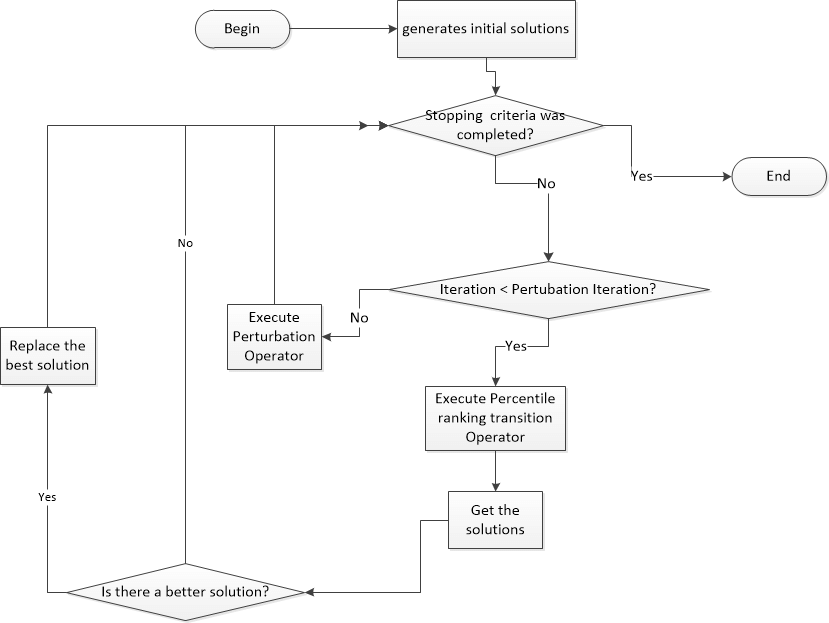
What is Ranking Transition

You may look at pages, and you see the internal linking, tag updates, and the text that mentions the keywords, and you may wonder why rankings are down. The pages are showing, but the rankings aren’t what you want, and they might not be consistent.  You try to make changes, but the rankings change again, and not always for the better. You might wonder why that is, well sometimes rank transition plays a bigger role than you realize.

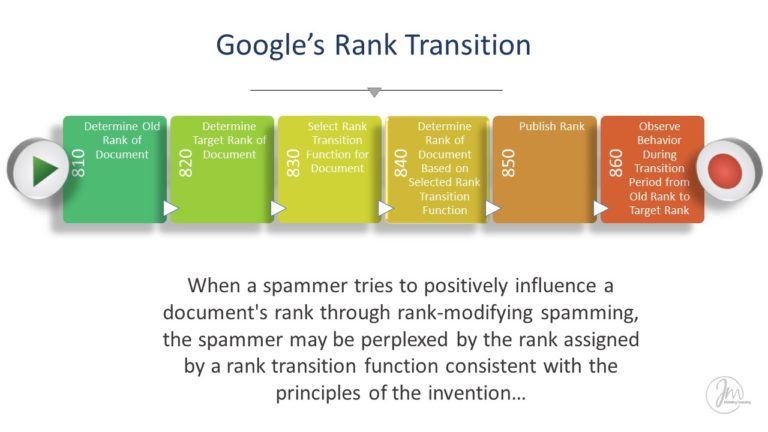
Rank transition if google’s way of confusing the spammers as they adjust the rankings and continuously do in order to keep a good position with the documents. It involves techniques and formulating within the algorithm that randomizes the rankings.  The ranking documents that were patented in 2012 were started, but they continue to change. What this means is that the patents are specific on what’s considered spamming, but it leaves a lot of wording open-ended, which is why changes in SEO happen.

Computers aren’t as random as you think, but if they are set up in a manner where rankings appear to be random, it’s because of the patent.  When there is a change to the site and pages, new rankings happen, but it’s not set for an amount of time, but they’re based on an algorithm, and these appear to be random until the time is complete, and no further work is needed.

Google will look at changed pages, determining the old rank, and then looking at the new rank, and if there are no other changes, the rank is set, but the transition period is reset if there are new changes made.

If you have stuffed keywords, invisible text that appears the same as a background, tiny text to make it more relevant, and too many page redirects, you’re going to get flagged for spam.

This happens, and it’s annoying, but usually, three months after launching the updates, you’ll see the ranking change. it’s triggered when you make changes to a site.

The pages that begin with the first rank for this, and then with the second are then set. During this period, the transition rank is then set based on this, and the function that varies over this happens.

So, if you make massive overhauls, you may not see the rankings right away. It fights spamming though, and if you feel like you’re not getting anywhere with your rankings, take a look and see if you’re in a transitional period, and you’re waiting for the permanence to show up. Once that’s there, you don’t have to fret anymore, and instead, you can start and be well on your way to ranking once again on all of your pages, no matter what types of content you throw out there for people to look at.  Do make sure that if needed, you fix whatever you need to, and if it doesn’t happen right away, wait it out for three months to see what happens at that point too.

How domain Authority Works with Spam Protection

Since the beginning of link explorer, you’ll get the luxury of less filtered data, and clearer tools to help with creating an identity and counter the manipulation. While ti can’t be protected completely, detecting the spam and the links that are bad is important. Now, this is a simple practice. While there is a lot of math that’s used in measuring, testing, and building, the general idea is clearly understandable. The first step is you get good sample links, and from there, you take any of those random links, and then figure out what’s expected or normal, and then finally you check out the outliers to see if those are corresponding with whatever is important, such as the sites that are manipulating the link graph, or sites that are really good.


First, let’s talk about link decay, which is the natural occurrence so if links dropping or changing the URLs of such. For example, if you get links after you finish a press release, some of those will disappear as they get archived or removed, and if you get a link from a blog post, you might expect to have the homepage link to this until it’s pushed to the second or third page by the newest post.

But, what if you bought these and own a large number of domains and they link to one another? They don’t decay, and having control over the inbound links means that you can keep them from decaying. This can differ based on the sites that have natural link profiles, and the methodology is first done by figuring out what’s natural, and what the decay rate looks like, and from there, you go get a bunch of sites and record how fast the links tend to be deleted.  And from there, you compare that to the total amount of links, and then look at the abnormalities. In that case, it’s pretty easy, and you essentially look at the lowest decay rate and then sorted by the highest domain authority to see the full picture.

Another edition is the use of spam score, which is link-blind and predicts the likelihood of a domain to be indexed. The higher, the worse.  This is a good way to find out link patterns along with manipulation schemes, and also some simple methodology of using random URLs in order to figure out what a normal backlink looks like, and the introduction of spam scores is pretty nice, and in turn, you can use that in order to figure out the natural links that are there, and anything that isn’t natural, and how to make the links look less spammy.

Using this will allow you to change the state of links, and how you’re able to link items. Doing this, in turn, will build your repute, and help you grow in terms of your business, and you’ll be able to, from this alone, create a better means to prevent any spam links.

Three External Linking Strategies

Many savvy business owners along with content marketers understand the importance of external links since they are a crucial ranking factor as evidenced by studies every single year, such as the brand and how strong the trust signal is from there, and other websites of higher quality. Where many businesses will stumble, however, is by using the internal links to link the equity to where it will have the biggest impact.  Interla links won’t get you link equity like the external ones do, but they’re good for boosting the traffic to pages. You want to know how to put it together, and here, we’ll give you some linking strategies.


These links should have a shallow click-depth, include to the main content of your page, the keywords in the anchor text should have a reasonable number of links within the page, and from there, you’ll be able to put together the important links that work with this.  You need one of these since it will help you get more information to your visitors, help get better crawlability, and from there, increase the traffic to those that are higher converting and bring you more results.

Using internal links for high search volumes is a good strategy, to begin with since it will help give you a landing page style that will help you persuade, convert, and attract the leads that you have going on.  However, you should make sure that they rank to the home page because that’s how you will improve this.

Then there is using the internal links to target the mid search volume keywords in order to drive the traffic to key landing pages. This is a strategy that you want to have it links to products, and this works for comparison posts, blogs, and other such.  you’ll be using different links to get people to visit information externally within an internal article.

The final one is to use your target keywords to hit the low-traffic pages. When you work with a narrow type of niche, and you want to drive your leads to bottom-level pages, such as your blog posts or product listings, this is the best way to do it.  You can include copy images that can be linked organically to the other bottom-level pages. This will allow the users to see the big picture when they get multiple products or consume numerous pieces of content, so you can create a multi-part blog for example that gives internal links or product pages that do link to other product comparisons along with DIY pages that you can build with these.

The less keyword competition, the more likely pages will rank. So remember this when you’re looking to use this one.

From here, you can assess which one will work for you, and from there, generate the content that works for you. you’ll be amazed at the difference that this makes, and the results that you get from your strategies at hand and the results generated.

Loyalty and SEO

Did you know that your loyalty and customer interactions can build your SEO? There is a link to his, and many times, people don’t realize how important this is.  This post will discuss the importance of loyalty, SEO, and why they matter.

For starters, loyalty is a big part of brands. If a brand doesn’t have some kind of loyalty, they’re not going to get results. There are many people who will say that they have heard of a brand, but they may not invest in it, and some customers will get sniped from brands simply because the other has more loyalty.


It stinks, but it’s a fact of life.

When it comes to loyalty and SEO, you need to look at both sides of the coin, and from there create a better, more rewarding campaign for yourself. The best way to do this is through the use of reviews.

Reviews are your first step, and they aren’ hard to get. The simplest way to do so is as follows: first, you get the sale, then you deliver and fulfill the order of the product, and then, you can send out a loyalty card or email that asks for a review, and that you appreciate them. The customer review, and if it’s good, then the transaction is done. If thee are issues, you should as the leader of the bran,d handle all of these in the most professional of ways.

If you’re not handling it with this mindset, you won’t get loyalty.

At the same time, you can also offer incentives to have people choose your brand. For example, loyalty cards, or even coupons for their next purchase, will communicate to the other person that hey, you still care about them, and you want to be there for them. If that’s the case, you’ll definitely want to make sure that you do take the time to give them these offers and do for them the service that you want to give to them. If you notice that they are a bit worried about something, you can handle different queries. If you want to, you can also put out a special brand newsletter that can be used for you to promote to the customers, and you can set up a loyalty campaign that works in your favor.

Loyalty plays a big part. When people look at you and your brand, they’ll see it for what it is, and they’ll be proud to have this brand in their life. If there are issues, they’ll defend you, and they will want to work with you. it’s good that, if possible, you do handle any issues that might be there, and in turn, work to promote the brand loyalty that you want to, and the one that you deserve in order to get the customer repute and the loyalty that you want to have, and the brand awareness and trust that you desire not just from your products, but from your customers.

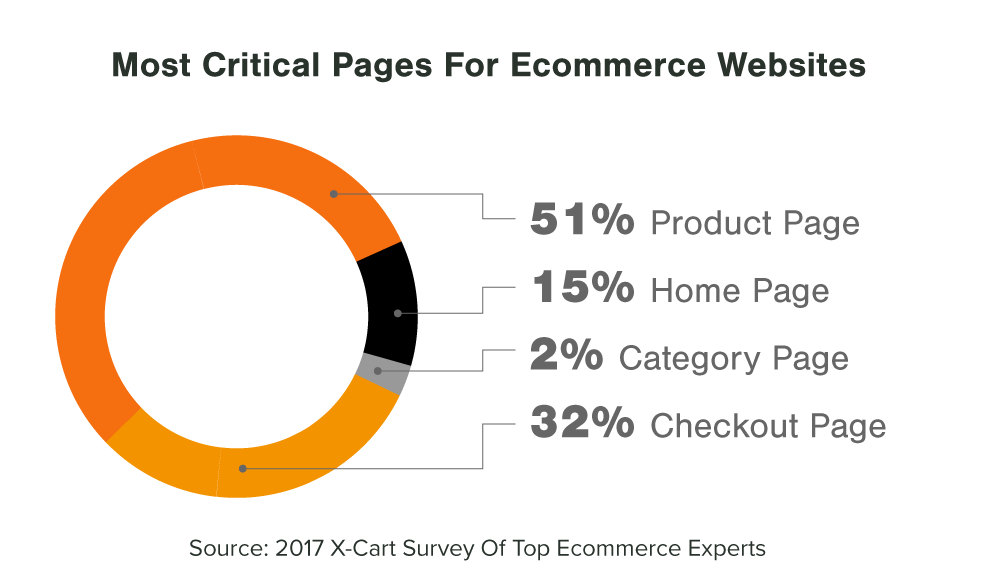
Why blog Content is Necessary for eCommerce websites

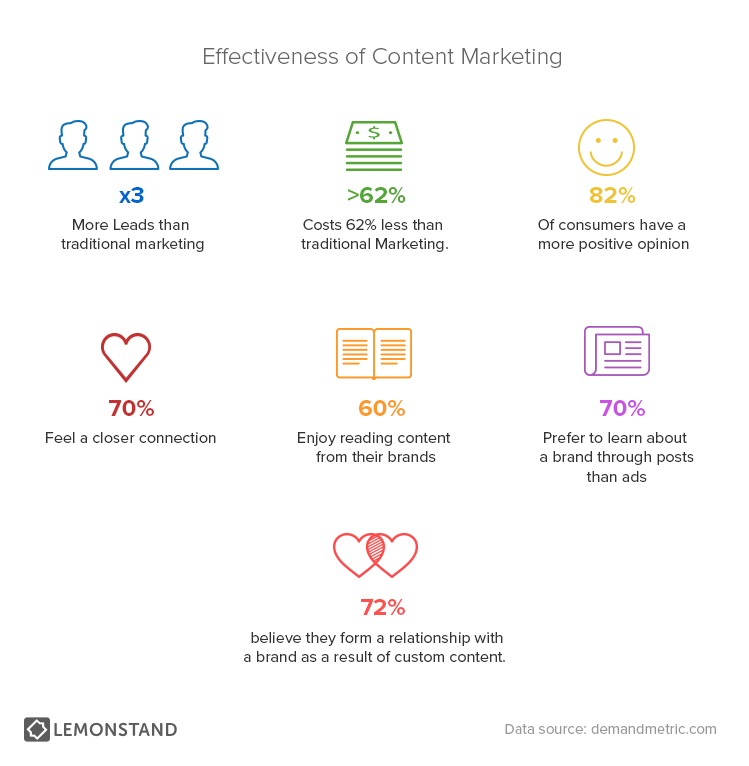
Content marketing is mostly about B2Bs, but if you’re trying to hit the local market, you also need content. This will build trust, authority, and the rankings on search engines, drive the traffic from your search in an organic manner, and from there, build the awareness of the brand and loyalty as well.

It also helps generate leads, and it’s good across all types of business. E-commerce brands can and will get a slice of the pie of this.


Content provides answers, and it will help with those search results. Everyone wants answers, and if you give these answers via blogging, that’s a big thing. If you do it correctly, without selling, it builds trust in other people, and they will want to work with you. Customers, fro there will move to sales much more quickly.

It also increases the site traffic. If you want to get more people to come to your site, you should have bogs, since it will get more indexed pages.  The more pages indexed, the more chances you’ll have better rankings. Every time you public a blog that’s keyword optimized, this creates a path for those looking for keyword related content. This will nurture it, and it can transform into sales.

There is also proven success in blogging for e-commerce sites. Shopify, for example, has given customers information on various content.  They corner the profitable keywords within their blogs, and from there, they will create content related to this. That will in turn drive traffic, and drive conversions. People also read blogs before they buy. This is really important in making decisions for customers. 84 percent of people bought products based on how they’re described in the blogs they read one in four people will buy something based on blog content they’ll read. 46 percent said they read blogs to do the initial investigation of products. So if you think nobody will read it, that’s where you’re wrong.

It is also the number one brand-building activity.  There are reports that talk about how blogging and content are the most major ways marketers are building loyalty. it’s actually at the top of most of peoples minds, and 56 percent of customers are increasing their creation budgets, which is the primary area of spending in 2019.

Blogging however is not a one and done though. it’s something you’ll need to build over time. One blog post ever won’t get you what you want. Ou needs to do it for a long time, researching items, outlining, writing, and finally promoting. It does take a long time to build, but here’s the thing if it’s good, it will climb up the rankings and bring others upwards, creating more ROI.

So remember, when you are blogging, it isn’t just a temporary thing, it’s something that you do over time that will ultimately change the way your business thrives. it’s important to use, and something that, when used correctly, can yield great success.

How to Set realistic SEO Targets for 2019

With the new year upon you, you might wonder how you can set up a good means to achieve your goals this year. Well, you’re in luck, for here, we’ll talk about how you can set realistic SEO goals this year through the use of measuring targets, establishing the benchmarks currently, and creating an action plan.


For measuring targets, you want to look at what you’re currently doing, and the growth, customer expansion, retention, or the churn of lowering. When you look at it, most teams don’t know this, but to get on board with your marketing plan, everyone should know the answer to this. Revenue targets are the most common type of marketing targets that you need to look at. This includes looking at the revenue figures and creating targets and the customers that you want. You want to have all of these numbers in place before you even look at the next step since they are the ones that tell you the truth about what you’re getting from your SEO.

Next, establish the benchmarks. You should know the customer numbers, opportunities, leads, and the visitors that you get, but what percentage of this goal does SEO take on as responsibility. The ability to hit this goal is measured in benchmarks, which determine the brand status.  The SEO share of voice, for example, will tell you how well the bran ranks up based on a fixed set of keywords and topics, and then what percentage does the brand rank on the first page of google. From there, you can use these numbers to create benchmarks and create direct and indirect competitors, helping you to understand the content format types, along with rankings from customers, and the new target channels that are established by customers.

You should look as well to see where the competitors rank, and also any traffic, leads, and opportunities and customers based on each of these channels. You can from here look to see where you’ll end up, and what your current ranking is in your marketing plan as well.

At this point, you also can take the conversion rates, the SERP, and the technical SEO, and from there, you can put together your plan. You should break everything down, creating actionable steps, and you can work with increasing traffic, volume, quality, leads, customer value, and also the quality of customers, but if you don’t have a means to really do this, you’re going to end up not having a lot of success with this. it’s important that, if you’re planning to really do a lot with this, and to really check out what you’re getting from this, you take into consideration all of these factors.

This is the best way to set your goals this year, and if you feel like you’re stuck, you should look at what you currently have, and from there, look to see how this can be bested in the future with this.

How Redirects can Make or Break you

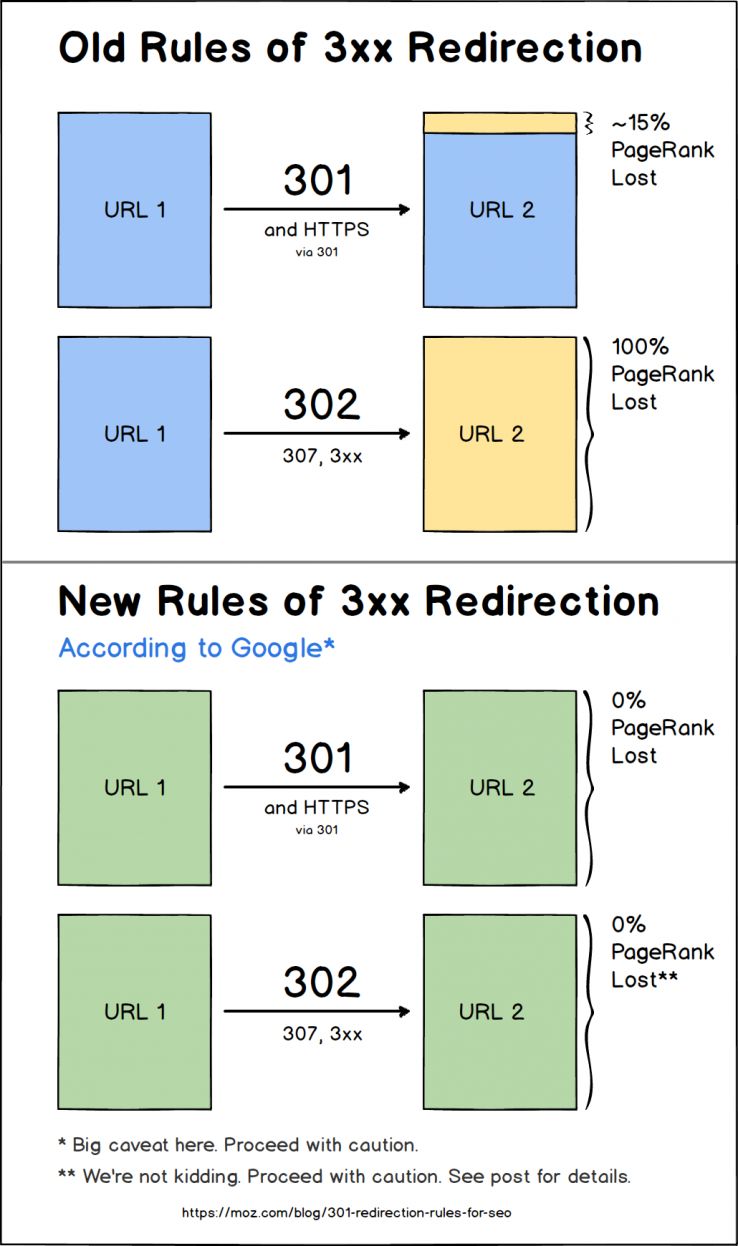
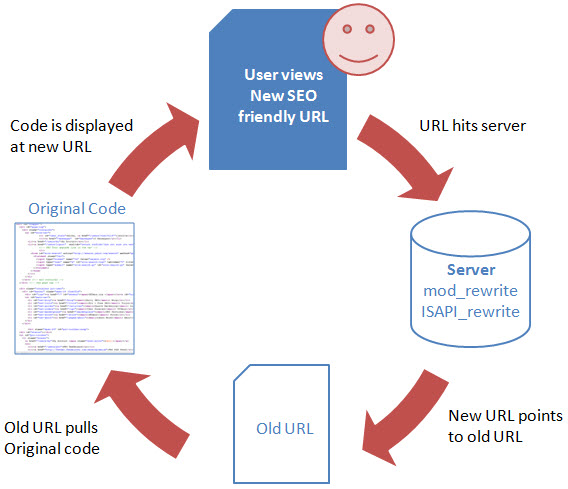
By redirecting correctly, you’ll be able to migrate smoothly, but you need to know of the processes and the rules of redirection. Here, we’ll discuss that and how to set up your URLs successfully.

Migrations are important since they avoid redirection errors, and migration is usually from moving from one point of the site to another.

One example of migration is the CMS moving and the URL format, where it can be typing in a URL, and it doesn’t take you to where you want to go, simply because it might be dated or something.

If you change the CMS, sometimes you’ll have more flexibility. If your URLs are structured, you can move it to post or something similar, and moving URLS around will help improve structure and migration.

Also, look at the keywords that you use. Sometimes keywordy or dated URLs can be changed to make them shorter or cleaner, better for humans to read.

Another way to improve this is a content overhaul. If you have a client that comes to you, and you see that their content isn’t giving them the traffic and rankings that they want, sometimes a content audit works, but usually looking at the pages that are redundant, stronger together, and those that don’t serve a purpose, you can filter this out. Sometimes even merging the USL, moving pages about, or dropping them completely will help with this. It can affect how your pages rank, and you want to make sure that you’re doing all of this.

Mistakes do happen with redirects, and if you aren’t touching on this or fixing it, you’re going to have a bad time. For example, unclear ownership does happen if you’re on a bad team or a smaller one that doesn’t know how to handle this. There are situations where the tech will say they can do it, and then they don’t. If it gets dropped, then you can’t take responsibility.

Another reason why this happens is deadlines. Internal and external ones are a big part of this, and sometimes, you may focus on one part of it, but not the other five pages that need redirects, resulting in the migration happening for a singular site, but not for others.

You need to realize that redirects need to be one to one, and not have them go to three pages, but literally just one to one. You should link the URL to one singular location for every single one to one.

With this as well, watch out for loops and redirect chains. You should keep them anywhere from 3-5, and make sure that they aren’t looping back and forth.

Redirects affect your page speed and rankings, and you need to make sure that you can migrate around to the site in an effective manner. By making sure that you’re tacking these aspects, you’ll be able to improve the SEO of the site and help it rank in a more effective manner too.